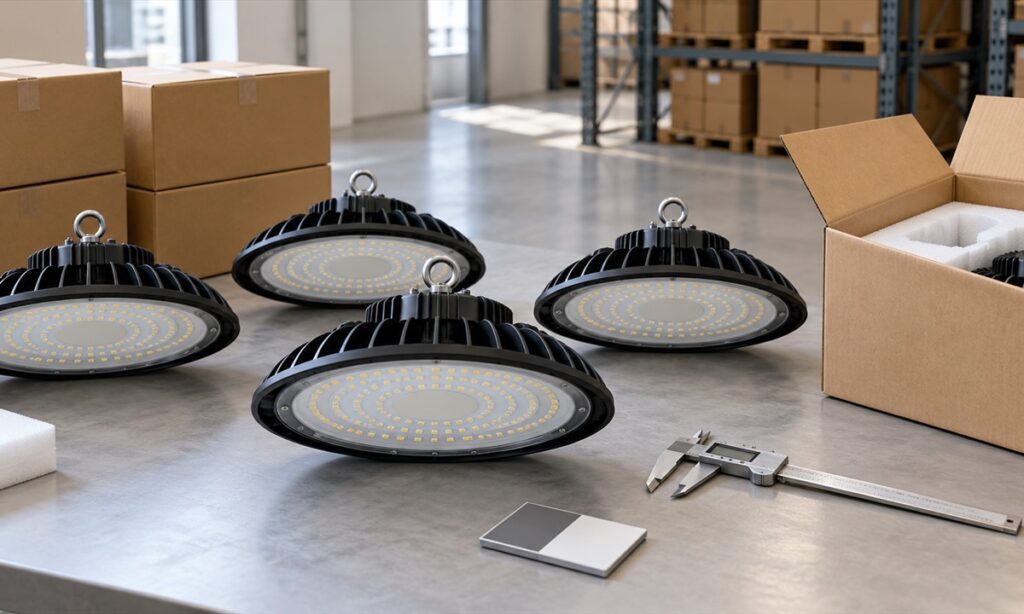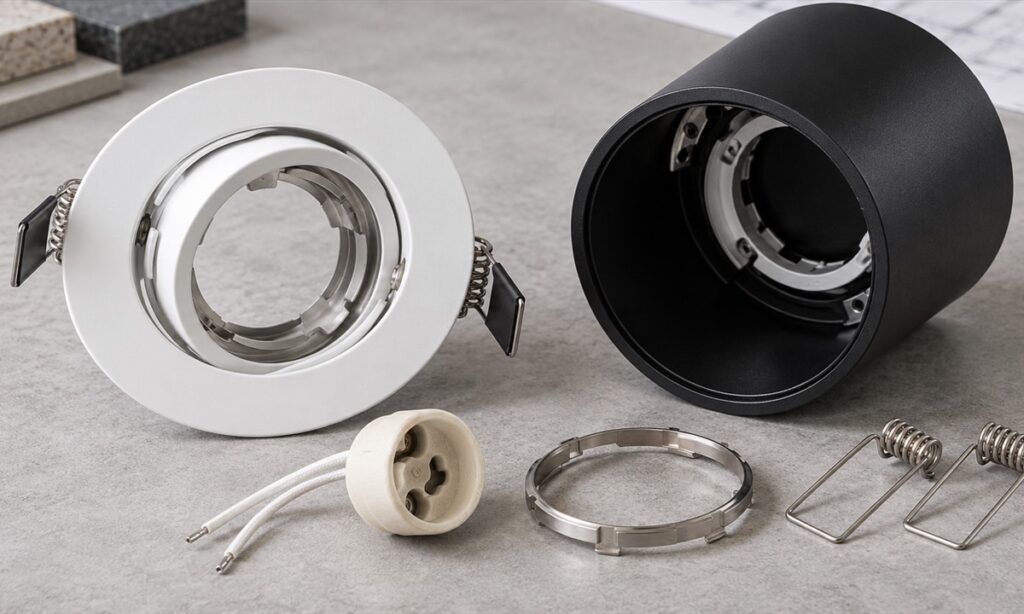











A distributor relationship should create repeatable local demand, not just a discounted first order. Before discussing exclusivity, the manufacturer and distributor need a shared operating model for products, territory, channels, inventory, technical support and claims.
This checklist helps both sides turn a broad “distributor wanted” conversation into measurable decisions.
1. Confirm market and channel fit
Describe the customers the distributor already serves: electrical wholesalers, lighting shops, contractors, designers, project owners, online buyers or another channel. List the countries or regions covered, sales team locations, warehouse capacity and technical capabilities.
Then map the proposed range to real use cases. A catalogue with hundreds of SKUs is not a launch plan. Start with a focused assortment whose price position, certifications, voltage, packaging language and installation practices match the market.
2. Define territory precisely
Territory can mean a country, named accounts, a channel or a project segment. Put the boundary in writing and address cross-border e-commerce, regional tenders, house accounts and leads generated by the manufacturer.
Exclusivity should be earned through clear milestones. Examples include an agreed launch order, quarterly forecast, active-customer targets, demonstration stock, reporting and payment performance. Specify review dates, cure periods and what happens if targets are missed.
3. Build a product-range roadmap
For every launch SKU, record intended application, target price band, market evidence, compliance status, samples, packaging and replacement parts. Separate standard products from private-label versions and new developments.
Agree how products are added, changed or discontinued. The distributor needs notice to manage quotations, inventory and warranty obligations; the manufacturer needs consolidated feedback instead of one-off requests without volume context.
4. Clarify branding and content rights
Decide whether sales use the manufacturer brand, distributor brand or a co-branded approach. Define ownership and permitted use of trademarks, product photos, drawings, photometric files, manuals and translations. Approve artwork before printing.
Marketing claims should match model-level evidence. Neither party should add unverified lifetime, certification, health or performance claims to localized pages. Establish who maintains current technical files and who removes outdated content.
5. Agree prices, forecasts and inventory logic
Document currency, Incoterm, quotation validity, payment terms, MOQ, mixed-SKU rules and price-review triggers. A forecast is not automatically a purchase order; state which portions are firm and which are planning signals.
Set minimum stock by lead time and service target, not by an arbitrary number. Include demonstration units, saleable stock, warranty replacements and critical spare parts. Review slow-moving items before adding more SKUs.
6. Plan enablement before launch
A useful program provides product selection guidance, specification sheets, installation information, sales training and a route for technical questions. Agree training dates, attendees and language. Test the full lead workflow—from inquiry through model selection and quotation—before advertising the range.
7. Design the after-sales workflow
Set one claim intake format: model, order, batch, quantity affected, symptoms, installation conditions, photos or video, electrical readings and returned samples when necessary. Define who performs first-line diagnosis, approves remedies, communicates with the end customer and pays local labor or freight.
Track claim rate by shipped population and time period. A pile of messages cannot distinguish one installation error from a recurring batch issue.
8. Use a 90-day launch scorecard
Review trained staff, approved samples, live listings, active quotations, first orders, on-time delivery, open technical issues and marketing activity. The purpose is to discover constraints early—not to create vanity reporting.
Questions to ask before signing
- Which customers and channels will the program serve?
- What exactly is exclusive, and what performance maintains it?
- Which SKUs launch first and why?
- Who owns branding, localization and technical evidence?
- How are forecasts, stock and discontinuations handled?
- What is the claim workflow and remedy authority?
- Which metrics trigger a quarterly program review?
New Lights works with importers and distributors on range selection, private-label execution and after-sales coordination. Share your territory, channel, target applications and estimated first-year mix to start a structured discussion.