












A pre-shipment inspection should turn the purchase specification into a documented lot-release decision. An AQL-based sampling plan can support that decision, but AQL is not the percentage of defects a buyer agrees to receive, and a sampled pass is not a zero-defect guarantee.
Build the plan in this order: define the lot, freeze the approved specification, classify product-specific defects, select the sampling plan from the governing standard, randomize the sample, execute controlled checks, and pre-agree what happens after a failure.
Define the inspection lot
State exactly what population is being offered for inspection. Record purchase order, model or SKU, revision, quantity, production site, production dates or batch codes, packaging configuration and completion status. Mixed models, finishes, electrical versions or label languages may require separate lots or a documented stratification rule.
The lot should be sufficiently complete for random sampling. If cartons are unfinished, units are still being reworked or the inspector can reach only the front rows, the observed population may not represent the shipment. Record unavailable quantities and any restriction on access.
Lot identity also protects follow-up decisions. A reinspection should apply to a traceable population, not an undefined collection of units that may have changed since the first visit.
Freeze the reference package
The inspector needs a controlled reference set before opening cartons:
- signed purchase specification and drawing revision;
- approved sample or limit sample where applicable;
- bill of materials or critical-component list where inspection can verify it;
- artwork, rating label and carton-marking files;
- agreed functional and appearance criteria;
- test methods, fixtures and limits;
- packaging configuration and assortment rules;
- approved deviations or engineering changes;
- destination-market and order-specific requirements.
Use the sample evaluation checklist to create the qualification record, but do not assume the approved sample alone contains every contractual requirement.
Understand what AQL means
ISO 2859-1:2026 specifies sampling procedures for inspection by attributes indexed by acceptance quality limit, or AQL. The plan relates lot size, inspection level, sampling scheme and the selected AQL through the standard’s controlled tables and switching rules.
AQL is a parameter used to select and operate the sampling plan. It should not be described as “the percentage of defective units allowed in this shipment.” The actual decision comes from the prescribed sample and acceptance/rejection criteria for the selected plan.
Because the standards’ tables are controlled content, this article does not reproduce sample-size codes or acceptance numbers. The buyer or qualified inspection provider should use a licensed current copy of the named standard and record the exact edition and plan applied.
Choose the governing sampling plan
Before inspection, state:
- the standard and edition, such as the contractually selected ISO 2859-1 or ANSI/ASQ Z1.4 route;
- single, double or another authorized sampling plan;
- normal, tightened or reduced inspection status where applicable;
- general or special inspection level for each check family;
- lot size used to enter the plan;
- selected AQL for each defect class;
- any separate sample quantity for destructive, time-consuming or safety-related checks;
- switching and reinspection rules.
ISO 28590 provides vocabulary and an introduction to the ISO 2859 attribute-sampling series. ASQ identifies ANSI/ASQ Z1.4 as an acceptance-sampling system. Do not mix values from different standards or editions without a reviewed contractual basis.
Create a product-specific defect library
Critical, major and minor are risk labels, not universal lists. Define each defect in observable language and tie it to the actual product, destination and contract.
| Inspection area | Example issue to define | Evidence needed | Classification owner |
|---|---|---|---|
| Identity | Wrong model, electrical version or rating label | Approved files and sample | Buyer with compliance input |
| Safety-visible construction | Exposed conductor, damaged insulation or missing required guard | Drawing, safety file and work instruction | Qualified technical reviewer |
| Function | No light, unstable operation or control-state failure | Test method and truth table | Buyer and supplier |
| Photometric screening | Output, power or color outside agreed screening limit | Calibrated method and limit | Engineering/QA |
| Appearance | Scratch, dent, color mismatch or assembly gap | Limit sample and viewing rule | Buyer/brand team |
| Packaging | Wrong quantity, protection, barcode or shipping mark | Packaging specification | Logistics/QA |
| Documentation | Missing manual, warning or accessory | Approved pack list | Buyer/compliance team |
Avoid labels such as “bad appearance.” Define location, size, viewing distance, lighting, contrast and whether the issue is visible after installation. A defect library should include photos or approved boundary samples when words are insufficient.
Randomize the sample
Sampling convenience creates bias. Select cartons across pallet positions, production times and identifiable sub-batches. Then select units within cartons without allowing the factory to present pre-screened pieces.
Record the selection method and sampled carton numbers. If safe physical access prevents true randomization, document the limitation and decide whether the inspection can continue. A result from conveniently placed cartons should not be reported as if it represented unrestricted random sampling.
For mixed-SKU shipments, define whether the standard is applied per SKU, to a combined lot, or through a justified allocation. The decision should be made before results are known.
Separate check families
Not every check should use the same sample size or decision rule. A practical plan may separate:
- quantity, assortment and carton identity;
- workmanship and appearance inspection;
- full functional checks on the main sample;
- dimensional or fit checks on a defined subset;
- electrical and photometric screening on an instrument-capable subset;
- packaging drop, transport or destructive checks under a separate protocol;
- safety-critical verification governed by specific requirements rather than an ordinary cosmetic AQL.
The inspection report must show which units received which checks. “AQL passed” is too vague if high-risk functions were tested on only a small, undisclosed subset.
Build the release matrix
| Result | Immediate action | Required evidence | Release authority |
|---|---|---|---|
| Sample meets all criteria | Complete report and retain records | Counts, photos, data and lot identity | Named buyer authority |
| Acceptance threshold exceeded | Hold shipment | Defect log and affected lot | Buyer disposition required |
| Critical issue observed | Stop and escalate under agreed rule | Unit trace, photo, test result | Qualified buyer/compliance authority |
| Specification ambiguous | Pause affected decision | Conflict note and reference files | Buyer clarification |
| Factory proposes sorting/rework | Keep lot on hold | Written plan, scope and controls | Buyer approval before reinspection |
| Reinspection requested | Verify completed corrective work and lot identity | Rework record and new sampling basis | Named buyer authority |
Do not allow the inspector or supplier to rewrite acceptance criteria after seeing results. Deviations should identify the exact defect, affected quantity, risk, temporary disposition and approving person.
Plan failure, rework and reinspection before the visit
The purchase agreement should say whether a failed lot is held, fully screened, reworked, replaced or cancelled; who pays for reinspection; whether corrected units can be mixed with unaffected units; and whether a new random sample is required.
A reinspection is not a repeat test on the previously selected good units. The offered lot must be identifiable, the corrective action completed, and the new sampling basis documented. If the supplier performed 100 percent sorting, retain the sorting instruction, defect results, personnel or station records and disposition of rejected units.
Repeated failure can indicate a process-control problem that sampling alone will not solve. Escalate to corrective-action review, process audit or engineering investigation as appropriate. The LED lighting factory audit guide owns that wider process question.
Preserve traceable inspection evidence
The final report should contain lot identity and quantity; inspection date and location; inspector and supplier representatives; governing documents and revisions; standard, edition and plan inputs; random-sampling method; sample counts by check family; defect descriptions, classifications and counts; individual measurement data where relevant; calibrated equipment identity; photographs tied to sample or carton numbers; limitations; result; and named disposition authority.
Packaging evidence should link to the controlled export packaging, labeling and documentation guide. A carton photo without the approved artwork revision or pack rule is weak evidence.
Keep PSI separate from other assurance layers
Pre-shipment sampling can detect selected nonconformities in a defined lot. It cannot replace:
- product safety and market-access evaluation;
- design validation and reliability testing;
- supplier qualification and process auditing;
- incoming control of critical components;
- production process controls and end-of-line tests;
- traceability, change management and corrective action;
- transport validation or installation inspection.
Finite sampling leaves residual risk. A passed sample means the lot met the selected decision rule under the recorded conditions; it does not prove that every shipped unit is conforming.
RFQ and purchase-order fields
Specify the inspection standard and edition; lot definition; inspection timing and completion threshold; sampling scheme and levels; AQL by defect class; product-specific defect library; safety-critical escalation rule; approved reference package; check families and sample allocation; instruments and calibration; data and photo requirements; random-selection access; hold authority; deviation approval; rework and reinspection process; cost allocation; and shipment-release signatory.
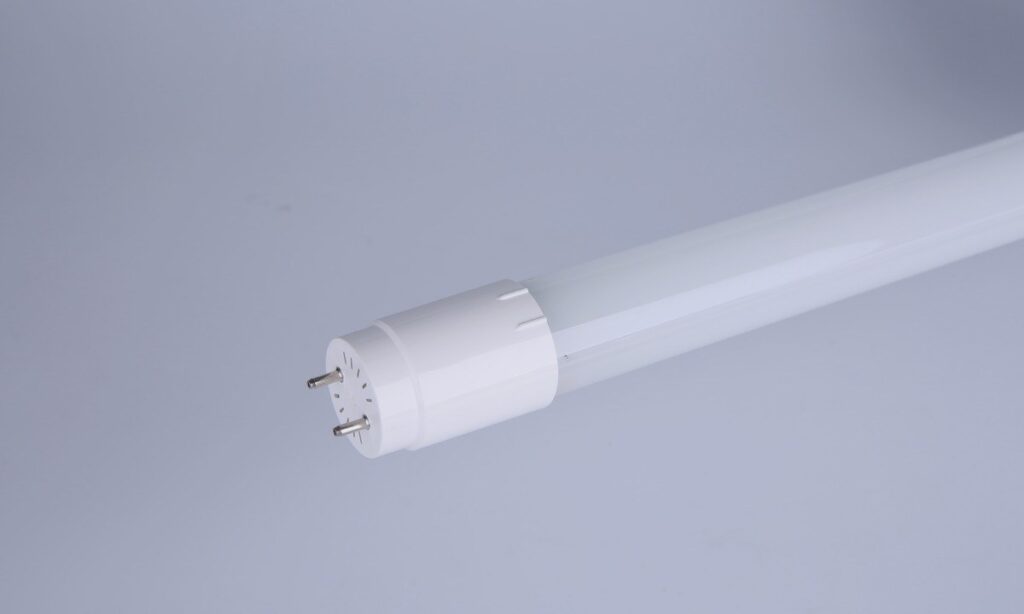
For products such as tube fixtures, the relevant LED tube fixture source page can define the commercial family, but the inspection plan must still identify the exact model, electrical configuration and order revision.
Editorial Sources
- ISO, ISO 2859-1:2026 — Sampling procedures for inspection by attributes: https://www.iso.org/standard/2859-1
- ISO, ISO 28590:2017 — Sampling procedures for inspection by attributes — Introduction to the ISO 2859 series: https://committee.iso.org/standard/64622.html?browse=tc
- American Society for Quality, Z1.4 & Z1.9 Sampling Standards for Quality Control: https://asq.org/quality-resources/z14-z19