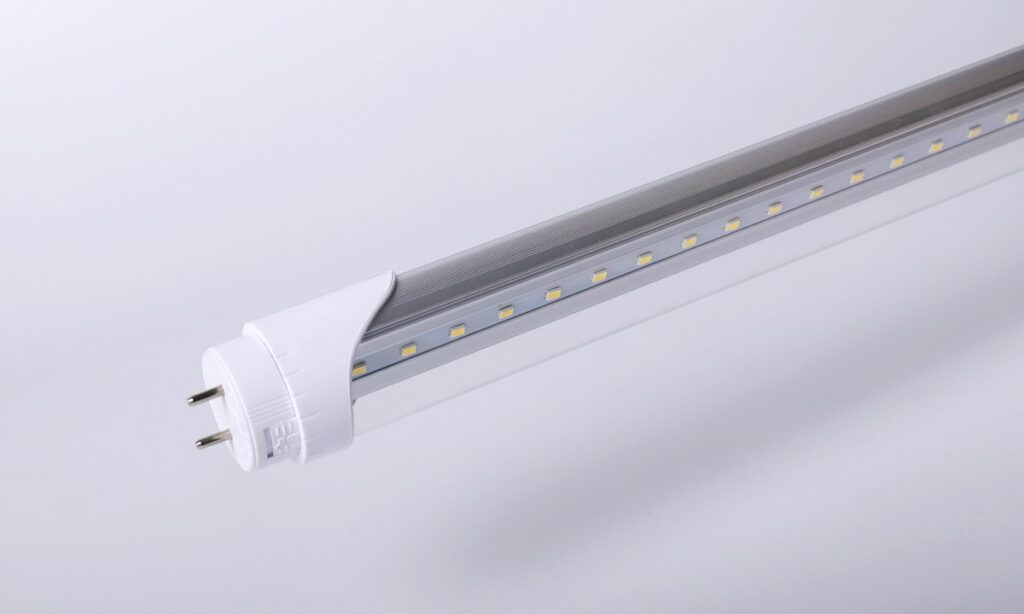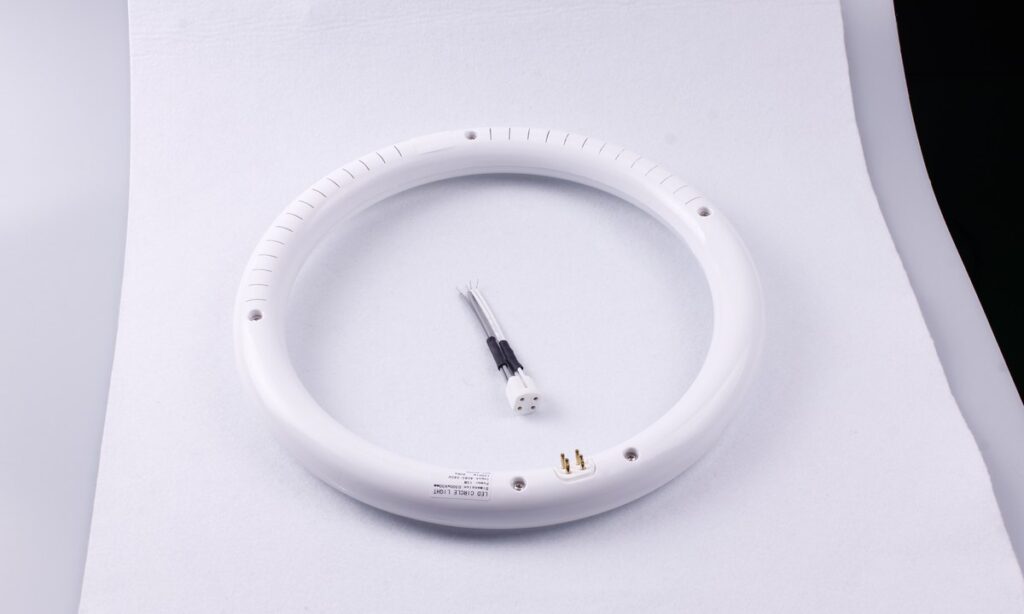


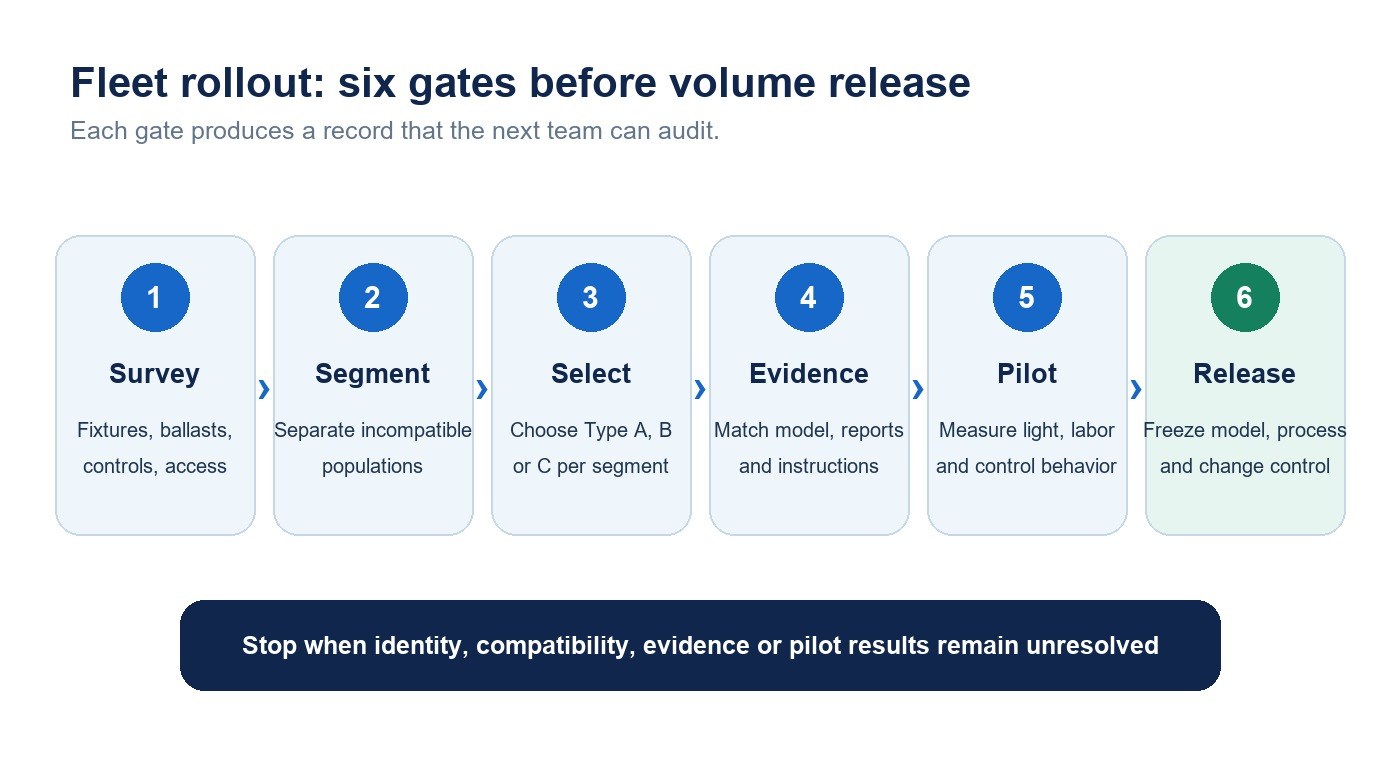
The practical 2026 outlook for T8 LED retrofits is not a single growth percentage. It is a portfolio decision shaped by the installed fixture population, regional fluorescent-lamp policy, labor, controls, emergency operation and the evidence available for each proposed lamp. Buyers should survey first, separate incompatible fixture groups, select an electrical architecture for each group and release volume only after a representative pilot.
This approach prevents a common procurement error: treating “T8” as a complete specification. The same shape can conceal different lengths, caps, voltages, ballast requirements, wiring methods, light distributions and approval scopes. A low unit price cannot compensate for a lamp that requires unexpected rewiring, produces the wrong distribution or cannot be supported after a component change.
Why the 2026 T8 Outlook Is a Retrofit-System Question
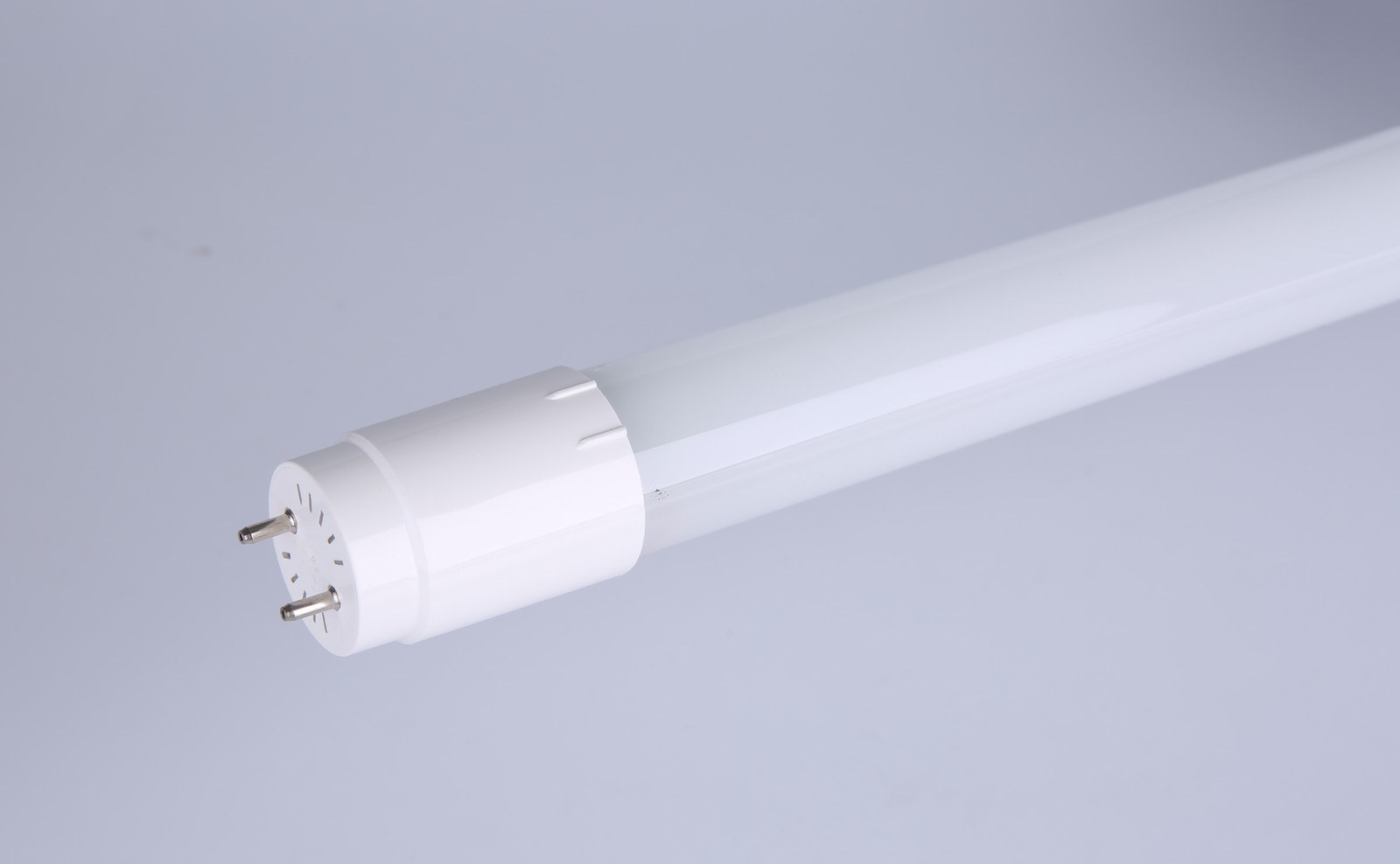
Fluorescent restrictions, energy targets and maintenance pressure can create demand for LED replacements, but they do not make every existing fixture suitable for the same tube. A building portfolio may contain electronic and magnetic ballasts, shunted and non-shunted lampholders, emergency ballasts, sensors, dimmers, modified wiring and damaged optics. Even apparently identical fixtures can contain replacement ballasts from different maintenance periods.
The useful forecast for a buyer is therefore the number of fixtures that can follow each controlled retrofit route. That number determines sample scope, labor, labels, spare strategy and project risk. It also explains why a global market figure is a poor basis for specifying one lamp across several countries or sites.
Survey and Segment the Installed Base
Record enough information to reproduce the decision for each sampled fixture:
- site, room use, operating hours and criticality;
- fixture manufacturer and model, lamp count, length and cap;
- supply voltage and circuit arrangement;
- ballast manufacturer, model and control capability;
- lampholder type and condition;
- sensors, dimmers, control panels and emergency equipment;
- mounting height, lens or louver, observed glare and lighting problems;
- access restrictions, downtime windows and maintenance practice.
Photographs should be linked to fixture IDs rather than stored as an unstructured album. When a portfolio contains several ballast or wiring populations, keep them as separate segments. Do not average them into a “typical T8” that does not exist in the field.
| Survey finding | Procurement consequence | Evidence needed next |
|---|---|---|
| Several ballast models | Type A compatibility cannot be assumed across the fleet | Exact lamp-to-ballast compatibility and representative samples |
| Mixed or modified wiring | One installation instruction cannot cover every fixture | Wiring audit, holder condition and conversion method by segment |
| Emergency equipment present | Normal operation does not prove emergency performance | Exact compatibility, duration and transfer testing |
| Lenses or reflectors vary | Bare-lamp lumens cannot predict the workplane result | Fixture-level photometry or measured pilot |
| Controls differ by area | Dimming and sensor behavior may change the architecture | Control interface, range, off behavior and commissioning plan |
Compare Type A, Type B and Type C as Complete Systems
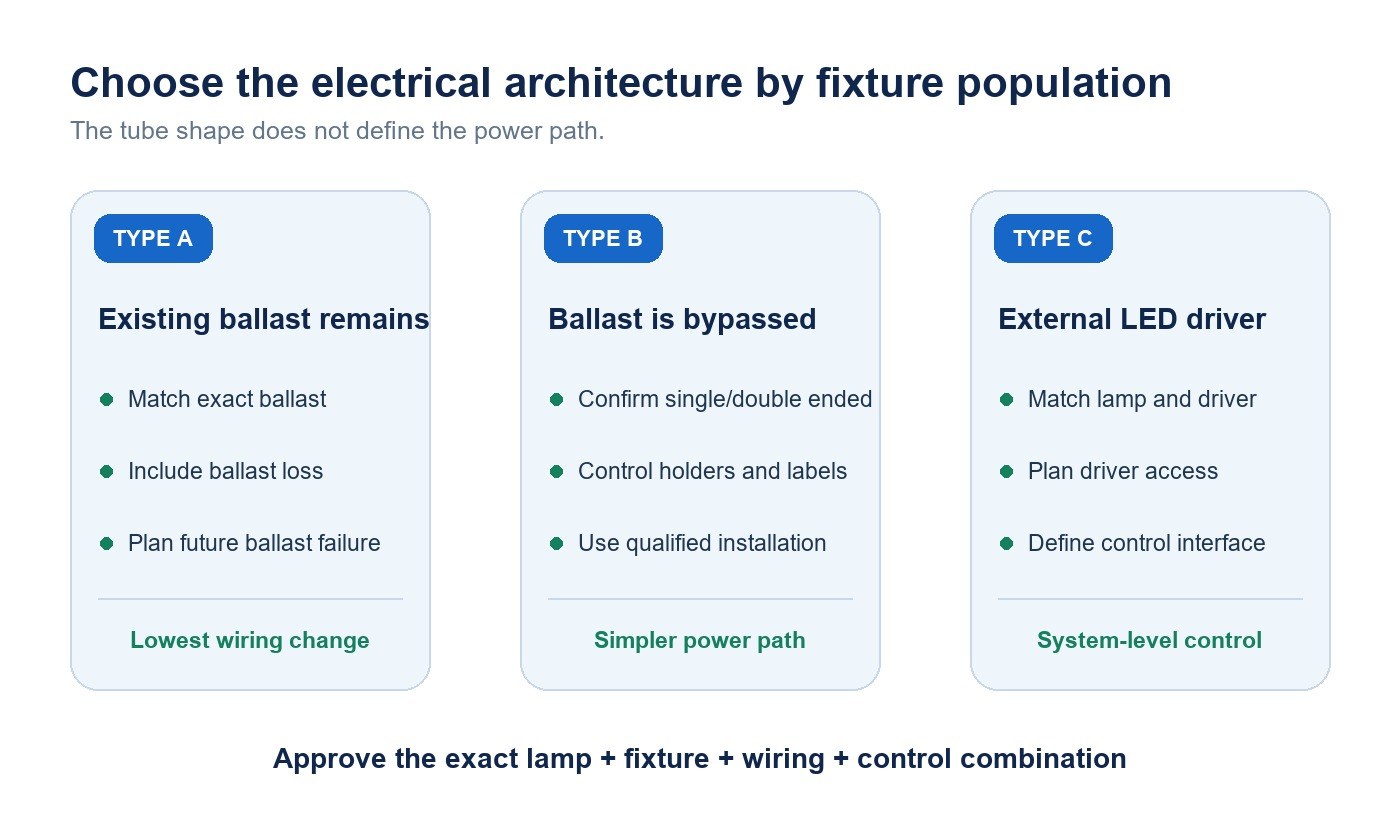
The U.S. Department of Energy FEMP application guide distinguishes ballast-compatible, ballast-bypass and external-driver tubular LED approaches. These labels are useful architecture shorthand; the exact installation and market requirements still come from the offered model, its instructions and the destination jurisdiction.
Type A: keep the existing ballast
Type A can reduce initial rewiring, but only when the exact lamp and ballast combination is supported. Include ballast condition, ballast loss, dimming behavior, emergency interaction and the replacement plan when the ballast fails. “Compatible with most ballasts” is not a controlled acceptance criterion.
Type B: bypass the ballast
Type B removes ballast dependence but requires a defined conversion. Single-ended and double-ended supply arrangements are not interchangeable. The project must control lampholders, wiring, labels, installer competence and future relamping so that an incompatible lamp is not inserted later. The LED tube installation planning guide expands this site-to-handover workflow.
Type C: use an external LED driver
Type C creates a lamp-and-driver system. It can support a different maintenance or control strategy, but compatibility, driver location, thermal conditions, wiring, control interface and replacement access must be planned together. A future lamp or driver substitute needs the same change-control discipline as the original pair.
| Decision factor | Type A | Type B | Type C |
|---|---|---|---|
| Initial fixture work | Often lower | Rewiring required | Driver and wiring work required |
| Main compatibility boundary | Lamp + ballast | Lamp + wiring + holders | Lamp + external driver |
| Retained fluorescent component | Ballast | None | None |
| Future service risk | Ballast availability and compatibility | Incorrect relamping or undocumented wiring | Driver access and paired-component availability |
| Best evaluated by | Ballast-segment pilot | Controlled conversion pilot | System and control pilot |
No row identifies a universal winner. The first bottleneck may be ballast compatibility, installation labor, emergency operation, control behavior, photometry or documentation. The winning architecture is the one that clears all mandatory boundaries at an acceptable total installed cost.
Verify the Lighting Result, Not Only Lamp Lumens
Fluorescent tubes emit broadly, while an LED tube may direct more light toward a limited angle. Existing reflectors, louvers and lenses can improve or degrade the result. Compare workplane illuminance, vertical light, uniformity, glare, color and appearance for the actual fixture population. Bare-lamp lumens do not establish those outcomes.
Electrical comparison also belongs at system level. Type A retains ballast losses; Type B and Type C change the power path. Calculate energy from documented or measured system input, operating hours and control behavior while holding the lighting acceptance criteria constant. The LED tube versus fluorescent tube comparison explains why energy, labor and maintenance have to be assessed together.
Controls and Emergency Operation Can Change the Route
Define occupancy sensing, daylight response, scheduling, dimming and network requirements before selecting the tube. Record the signal type, dimming range, off behavior, zone logic, commissioning responsibility and future service access. Test the exact lamp, ballast or driver and control combination.
For emergency systems, identify the emergency equipment and required operating mode. Normal operation cannot substitute for the required transfer, duration and output checks. When compatibility evidence is incomplete, separate those fixtures into another work package instead of forcing them into the dominant fleet route.
Build a Model-Level Evidence Package
Request evidence that identifies the exact offered model and revision:
- Datasheet with dimensions, cap, wiring architecture, input range, power, output, CCT, color rendering, distribution and environmental limits.
- Wiring diagrams and instructions matching ballast-compatible, single-ended, double-ended or external-driver operation.
- Ballast or driver compatibility lists where applicable.
- Photometric, color, flicker, thermal, electrical-safety, switching and reliability evidence appropriate to the claims.
- Certification, declaration or listing scope for the target market and exact model family.
- Product, carton and retrofit labels in the required languages.
- Critical-component control, change notification, lot traceability, inspection and warranty process.
A logo or summary certificate cannot replace model-scope review. Match the legal manufacturer, model family, construction, standard, market and validity. For a broader document hierarchy, use the LED compliance document checklist and the supplier evaluation framework.
Run a Representative Pilot Before Fleet Release
Select fixtures from every meaningful survey segment, including difficult access, older ballasts, emergency equipment and control variants. Use the intended contractor and instructions. Record labor time, parts, rewiring, labels, commissioning, disposal and access problems. Measure the agreed lighting and electrical criteria under comparable conditions.
The pilot should answer second-order questions: Which segment creates the most rework? Which architecture is easiest to maintain after installation? What happens when a ballast, driver or lamp is replaced? Can the site preserve the as-built identity? A technically functional lamp can still be a poor portfolio choice if the rollout process is hard to control.
Compare Total Installed Cost and Supply Continuity
Use the same analysis period for each route. Include survey, samples, labor, rewiring, holders, drivers, controls, commissioning, lifts, downtime, disposal, freight, duty, spares, warranty handling and future maintenance. Run sensitivity cases for operating hours, labor and failure assumptions instead of presenting one payback value as certain.
Then define what must remain unchanged after approval. LEDs, drivers, PCBs, optics, materials, wiring, labels and certifications may affect fit, performance or compliance. Agree on change notification and the conditions that trigger a new sample, test or submittal. Maintain approved spare stock or a documented successor strategy for critical locations.
A 2026 Buyer Decision Framework
The strongest 2026 procurement position is segmentation rather than prediction. Survey the installed base, choose Type A, B or C by fixture population, verify fixture-level light and controls, review model-level evidence, pilot the difficult cases and release volume with controlled records. This creates a defensible specification even when regional policy, product availability and labor economics continue to change.
For a project-specific review, contact New Lights with the target market, fixture and ballast inventory, wiring, controls, emergency requirements, quantity, photometric criteria and required documents.
Frequently Asked Questions
Can one T8 LED tube replace every fluorescent T8 lamp?
No. Length, cap, ballast, wiring, lampholder, voltage, controls, emergency equipment, fixture optics and local requirements can differ. Verify each fixture population and the exact lamp architecture.
Is Type A always the easiest option?
It can reduce initial rewiring, but only when the exact ballast is compatible and in acceptable condition. Ballast loss, future failure and replacement availability remain part of the decision.
Is Type B always more efficient?
Removing a ballast changes the power path, but the project result still depends on the exact lamp, system power, photometry, controls and operating conditions. Type B also adds conversion and relamping controls.
How much energy will a T8 LED retrofit save?
There is no fixed percentage. Compare system input and maintained lighting performance, then apply the actual operating schedule and control behavior.
What should stop a rollout?
Stop when model identity, compatibility, wiring, emergency behavior, certification scope, lighting acceptance or the representative pilot remains unresolved. Isolate that segment and close the evidence gap before volume release.
Editorial Sources
- U.S. Department of Energy FEMP, “LED Retrofit Kits, TLEDs, and Lighting Controls: An Application Guide”: https://betterbuildingssolutioncenter.energy.gov/sites/default/files/attachments/led_troffer_retrofit_guide.pdf
- U.S. Department of Energy, “LED Lighting and Controls Guidance for Federal Buildings” (2024): https://integratedlightingcampaign.energy.gov/sites/default/files/2024-10/LED%20and%20Controls%20Guidance%20for%20GSA_0.pdf
- European Union, Commission Delegated Directive (EU) 2024/1849: https://eur-lex.europa.eu/eli/dir_del/2024/1849/oj/eng
- DesignLights Consortium, “SSL Technical Requirements”: https://designlights.org/our-work/solid-state-lighting/technical-requirements/