


 English
 Español
 Deutsch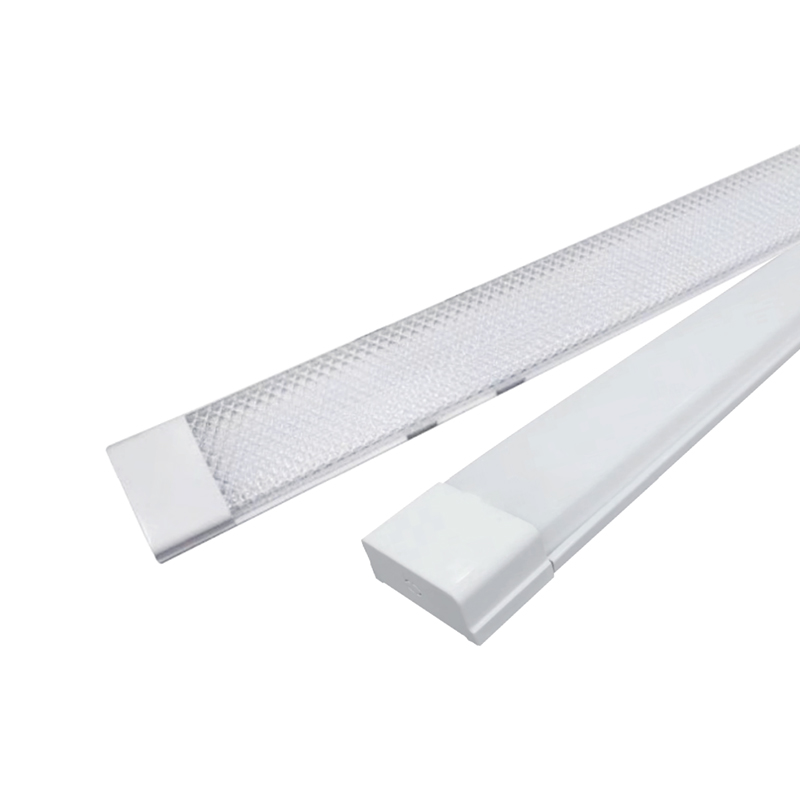
We sincerely look forward to establishing a long-term development partnership with you with good quality and professional services.
Technical Mechanisms of Incandescent and LED Lighting
Evaluating residential illumination systems requires an understanding of how incandescent filaments and solid-state Light Emitting Diodes (LEDs) produce visible light. These operational differences directly impact energy consumption, thermal emission, and overall system longevity.
Incandescent lamps rely on thermal radiation caused by electric currents. A tungsten filament enclosed within a glass vacuum or inert gas ambient functions as a resistor. As electric current passes through the filament, electrical resistance generates substantial thermal energy, heating the tungsten to temperatures typically between 2200 and 3000 Kelvin. At these temperatures, the filament incandesces, emitting a continuous spectrum of visible light alongside a significant proportion of infrared radiation.
Conversely, solid-state lighting relies on semiconductor physics. A Light Emitting Diode contains a p-n junction formed by doping specific semiconductor substrates, such as gallium nitride or indium gallium nitride. When a forward bias voltage is applied via an external driver circuit, electrons traverse the junction from the n-type layer to recombine with holes in the p-type layer. This recombination drops electrons into lower energy states, releasing energy as photons. The wavelength, or color, of the emitted light is determined by the energy bandgap of the semiconductor material.
Because LEDs do not rely on thermal excitation to emit visible light, their luminous efficacy is substantially higher than incandescent alternatives. Incandescent sources convert approximately 90 percent of consumed electrical energy into infrared heat radiation, leaving only 10 percent for visible light. LEDs reverse this ratio by converting a much larger fraction of input power directly into usable illumination, operating at lower temperatures and requiring much less power to deliver equivalent flux.
Luminous Efficacy and the Lumens Conversion Framework
Historically, residential consumers used power consumption, measured in watts, to gauge the brightness of a lamp. However, wattage only indicates the electrical power drawn by the device, not the optical output. In architectural lighting design, the accurate metric for visible light output is luminous flux, measured in lumens. When migrating from legacy incandescent fixtures to modern led light bulbs, relying on wattage metrics can lead to incorrect specification and over-illumination.
Luminous efficacy represents the ratio of luminous flux emitted to the total electrical power consumed, expressed in lumens per watt (lm/W). Traditional incandescent light sources typically exhibit an efficacy ranging from 10 to 17 lm/W. In contrast, standard residential LED options operate within an efficacy range of 80 to 150 lm/W, depending on driver efficiency, thermal management, and diode quality. This difference requires a standardized conversion framework to help find direct replacements for common residential options, such as the widely used 60 watt incandescent bulb.
| Incandescent Wattage (W) | Minimum Luminous Flux (lm) | LED Equivalent Wattage (W) | Efficacy Gain Factor |
|---|---|---|---|
| 25W | 250 lm | 3W to 4W | 6.25x to 8.33x |
| 40W | 450 lm | 5W to 6W | 6.67x to 8.00x |
| 60W | 800 lm | 8W to 10W | 6.00x to 7.50x |
| 75W | 1100 lm | 11W to 13W | 5.76x to 6.81x |
| 100W | 1600 lm | 14W to 17W | 5.88x to 7.14x |
| 150W | 2600 lm | 25W to 28W | 5.35x to 6.00x |
When specifying an led light bulb equivalent to 60 watt lamps, the core target is an optical output of 800 lumens. A common engineering mistake is assuming all 60 watt led light bulbs deliver the same output. Instead, a 60W LED drawing 60W of raw power would produce over 6000 lumens, which is far too bright for typical residential ambient use. A true 60W incandescent equivalent is an LED product that consumes between 8 and 10 watts of power to yield the required 800-lumen output.
Classification of Residential LED Configurations
Residential spaces require different types of lighting fixtures to meet functional requirements, including ambient, task, and accent illumination. To address these needs, solid-state lighting has evolved into three primary form factors: surface-mount device bulbs, filament-style retrofits, and linear tube configurations. Selecting the right option depends on the fixture mechanics, optical requirements, and aesthetic goals of the space.
Surface-Mount Device (SMD) Bulbs
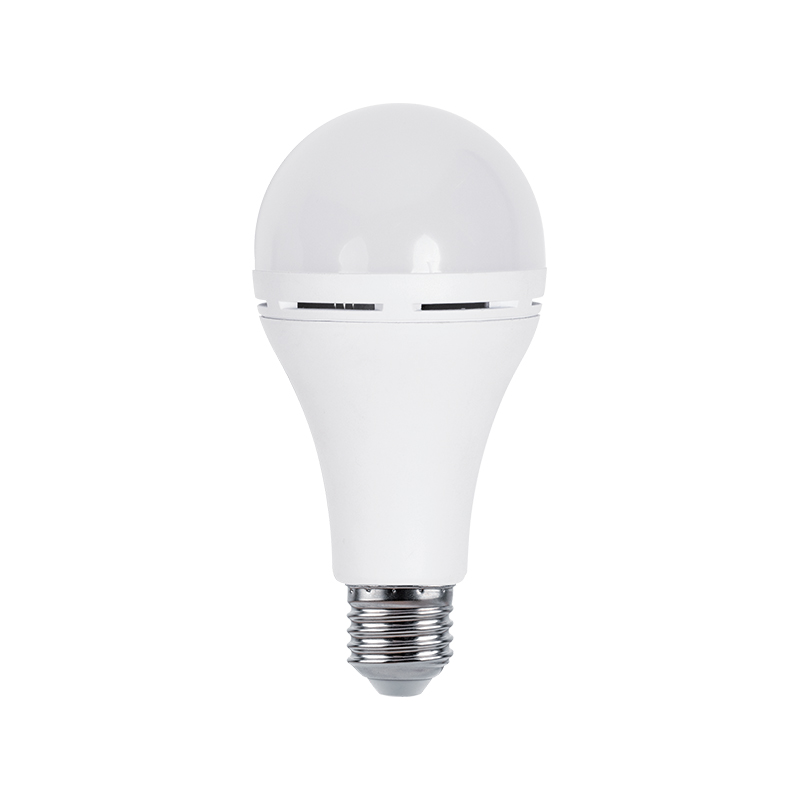
The most common residential option is built using Surface Mount Technology. In LED SMD Bulbs, multiple discrete LED chips are soldered directly onto a metal-core printed circuit board (MCPCB). This circuit board is mounted to an aluminum or ceramic heat sink embedded within the lower chassis of the lamp structure. A polycarbonate or glass diffuser dome sits over the assembly to scatter the directional light emitted by the individual chips into a broader beam pattern.
- Thermal Performance: Direct mechanical bonding to the internal heat sink ensures efficient heat dissipation away from the semiconductor junctions.
- Optical Diffusion: The frosted frosted dome reduces glare and balances out the intense, directional point-sources of the SMD chips.
- Structural Durability: Solid-state internals combined with plastic enclosures provide excellent resistance to mechanical shock and vibration.
Filament-Style Retrofits
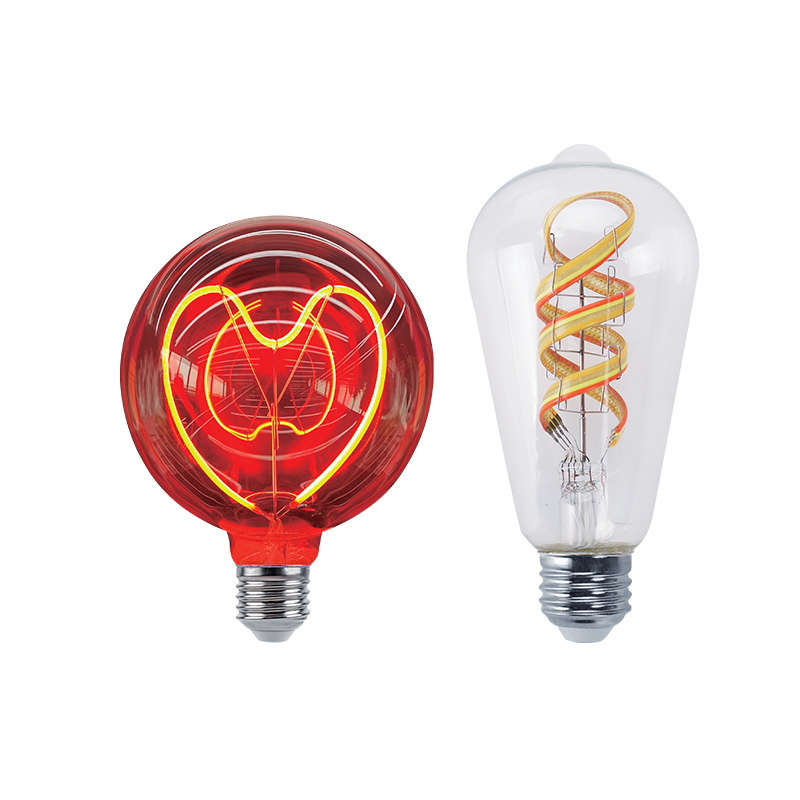
For applications with exposed fixtures where traditional styling is preferred, modern SMD designs may not match the desired aesthetic. This is where LED Filament Bulbs are useful. These lamps arrange tiny LED chips in a linear series along a transparent substrate made of glass or sapphire. This linear assembly is then coated in a yellow phosphor resin mix to create a structure that looks like a traditional incandescent filament.
Design Note for Exposed Fixtures: Filament designs provide a complete 360-degree beam angle without using large, opaque heat sinks. This omnidirectional light distribution makes them ideal for chandeliers, wall sconces, and open pendants where standard SMD lamps create dark spots or break up the clean look of the fixture.
Linear Tube Configurations
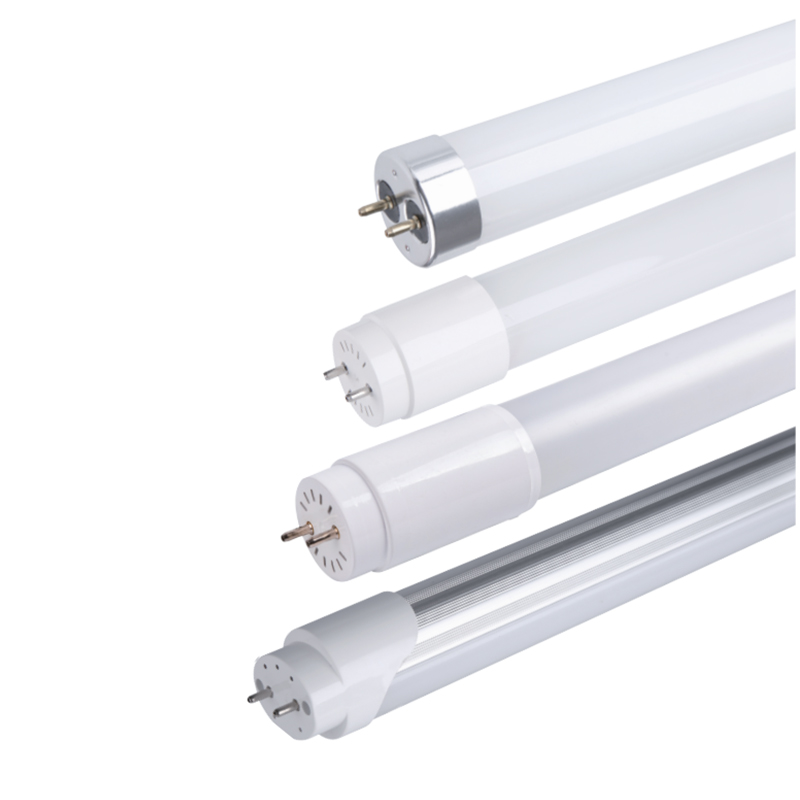
In residential spaces like basements, utility rooms, and large garages, traditional linear fluorescent fixtures are often replaced with modern alternatives. Upgrading to LED Tubes eliminates common fluorescent issues such as high-voltage ballast hum, visible flickering, and slow startup times in cold environments. These linear systems are available in Type A (plug-and-play with compatible ballasts), Type B (direct-wire configuration bypassing the ballast), and Type C (utilizing an external low-voltage driver) configurations to accommodate different electrical setups.
Long-Term Cost and Lifespan Evaluation
Evaluating the economics of changing a lighting setup requires analyzing both initial capital expenditure and ongoing operational costs. While incandescent bulbs have lower upfront costs, their short operational lifespan and high energy draw lead to higher total costs over time compared to solid-state alternatives.
The operational lifespan of a traditional incandescent lamp is limited by the evaporation of its tungsten filament. As the filament operates at high temperatures, tungsten atoms slowly vaporize and deposit onto the inner glass envelope. This thins the filament until it breaks under thermal and mechanical stress, usually resulting in a total lifespan of 1000 to 2000 hours.
LED lamps do not fail abruptly like traditional bulbs. Instead, they experience a gradual reduction in light output over time, a process known as lumen depreciation. The industry standard metric for LED lifespan is L70, which measures the number of operating hours until the lamp's luminous flux drops to 70 percent of its initial value. Quality residential LEDs regularly achieve L70 ratings between 25,000 and 50,000 hours. This longevity is achieved through efficient thermal management and stable internal driver circuits that protect the components from voltage spikes.
To understand the financial impact over time, consider a residential space operating ten 60-watt equivalent lamps for 5 hours per day over a 10-year period, with an electricity rate of 0.15 currency units per kilowatt-hour. This scenario requires a total of 18,250 hours of illumination per socket.
| Operational Cost Metric | Incandescent System (60W) | LED System (9W Equivalent) |
|---|---|---|
| Power Draw Per Socket | 60 Watts | 9 Watts |
| Total Energy Consumed (10 Sockets) | 10,950 kWh | 1,642.5 kWh |
| Cumulative Energy Cost | 1,642.50 Units | 246.38 Units |
| Average Lamp Lifespan | 1,000 Hours | 25,000 Hours |
| Replacement Lamps Required (10 Sockets) | 180 Bulbs | 10 Bulbs |
The data demonstrates that the lower power consumption of solid-state systems yields an 85 percent reduction in total energy costs. Additionally, avoiding frequent bulb replacements significantly reduces ongoing maintenance costs and material waste over the system's operational lifetime.
Technical Specifications for Residential Environments
Finding the right LED replacement requires matching technical specifications with the functional needs of each living space. Beyond picking the right lumen output, you need to evaluate shape factors, color temperature, and color rendering capabilities.
Form Factors and Standard Envelopes
The standard pear-shaped bulb used in most residential ambient fixtures is designated as the A19 shape. The letter code signifies an Arbitrary shape profile, and the numeric value indicates the maximum diameter of the lamp bulb housing at its widest point, measured in eighths of an inch. An A19 bulb measures nineteen-eighths of an inch, or 2.375 inches in diameter. Most residential A19 bulbs use an E26 medium Edison screw base, which simplifies upgrading older incandescent fixtures to solid-state lighting.
Correlated Color Temperature (CCT)
Correlated Color Temperature specifies the color appearance of light emitted by a lamp, measured in Kelvin (K). It describes the temperature to which an ideal black-body radiator must be heated to emit light of a comparable hue.
- Warm White (2700K to 3000K): Emits a warm, yellowish light that matches the output profile of traditional incandescent filaments. This range is best suited for living rooms, bedrooms, and dining spaces where a relaxing atmosphere is desired.
- Neutral White (3500K to 4100K): Provides a balanced, clean white light without strong blue or yellow tones. This range is ideal for kitchens, bathrooms, and home offices where accurate visibility is needed.
- Daylight (5000K to 6500K): Delivers a crisp, cool light with a high proportion of blue wavelengths, simulating natural daylight. This spectrum is effective for high-focus task areas, workshops, and detailed craft spaces.
Color Rendering Index (CRI)
The Color Rendering Index measures how accurately a light source reveals the true colors of objects compared to a natural reference light source. CRI is rated on a scale up to 100. Standard residential LEDs often provide a CRI of 80, which is sufficient for general hallways and utility areas. However, for spaces like kitchens, vanity setups, and walk-in closets, specifying high-CRI lamps rated at 90 or above ensures accurate color perception and fidelity.
Frequently Asked Questions
Q1: Why do some LED bulbs flicker when installed in fixtures connected to wall dimmers?
Flickering occurs because legacy residential dimming systems are engineered for resistive incandescent loads. These systems trim the AC sine wave using forward-phase triac controls. LEDs operate on low-voltage DC power regulated by an internal driver circuit, which represents a non-linear load. If the driver is not engineered to interpret trimmed AC waveforms, or if the total wattage load falls below the minimum requirement of the dimmer switch, the driver output oscillates, causing visible flickering. Resolving this issue requires installing a dedicated LED-compatible trailing-edge or universal dimmer switch.
Q2: Can modern LED lamps be installed inside entirely enclosed light fixtures?
Only lamps explicitly rated for enclosed fixtures should be used in these applications. Although LEDs do not emit heat as forward infrared radiation, their internal driver circuits and diode arrays still generate heat that must be dissipated through conduction. Enclosed fixtures trap warm air, raising the ambient temperature inside the housing. If an LED is not rated for enclosed use, this heat buildup can degrade the driver capacitors and speed up lumen depreciation, leading to premature component failure.
Q3: What is the physical difference between an explicit 60W LED and a 60W equivalent LED?
An explicit 60W LED describes a high-power device that draws 60 watts of electrical power, designed for industrial or outdoor commercial illumination. A 60W equivalent LED refers to a residential lamp that draws approximately 8 to 10 watts of electrical power but produces a luminous flux of 800 lumens, matching the optical output of a traditional 60-watt incandescent bulb.
Q4: How do ambient temperature shifts impact the performance of residential LED installations?
Unlike fluorescent tubes, which struggle to light up or lose efficiency in cold conditions, solid-state lighting performs very efficiently in lower ambient temperatures. Cold environments help lower semiconductor junction temperatures, which preserves the life of the components and can slightly increase light output. Conversely, extremely high ambient temperatures can accelerate wear on the internal driver circuits if the product lacks adequate heat management.
Q5: Does turning an LED lamp on and off frequently shorten its operational lifespan?
Frequent power cycling does not impact the lifespan of solid-state lighting. Traditional incandescent filaments undergo extreme thermal shock and expansion every time they power on, which accelerates wear. Because LEDs operate via low-voltage electron recombination across a semiconductor junction rather than thermal incandescence, rapid power cycling causes negligible mechanical or electrical wear on the system.
 GET IN TOUCH


