


 English
 Español
 Deutsch
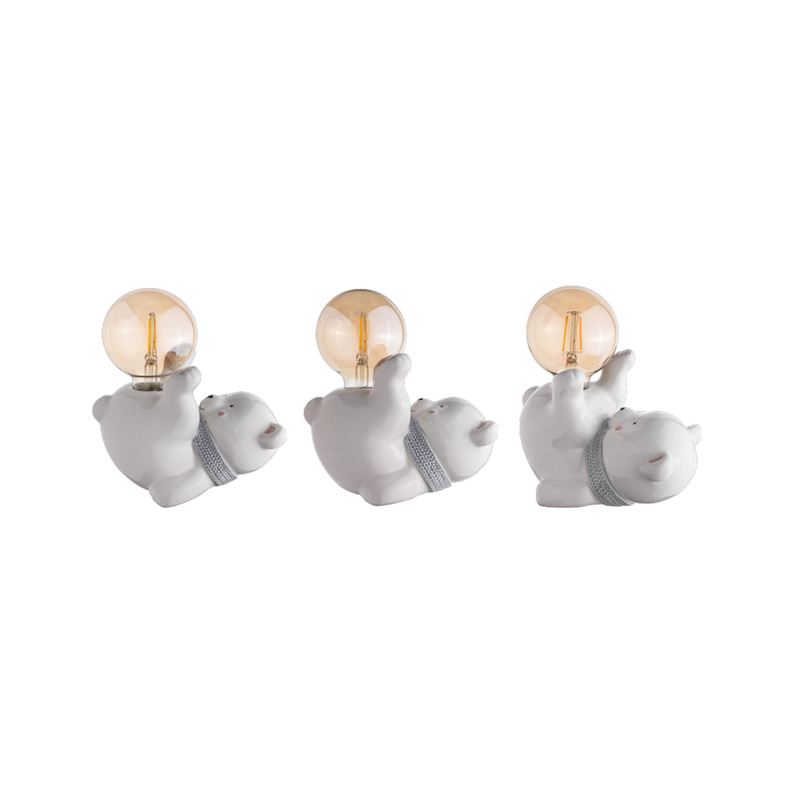
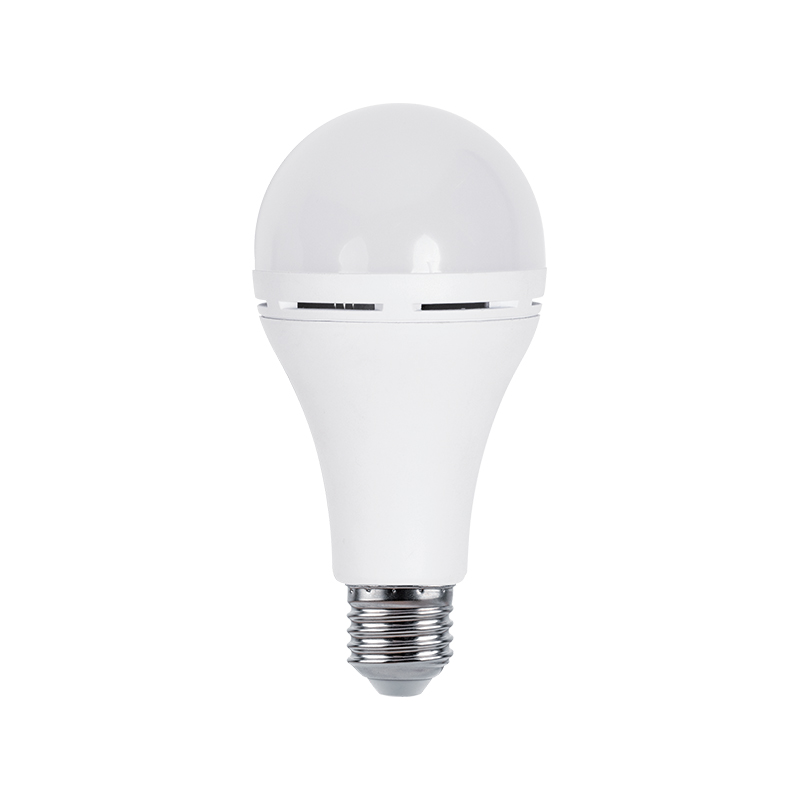
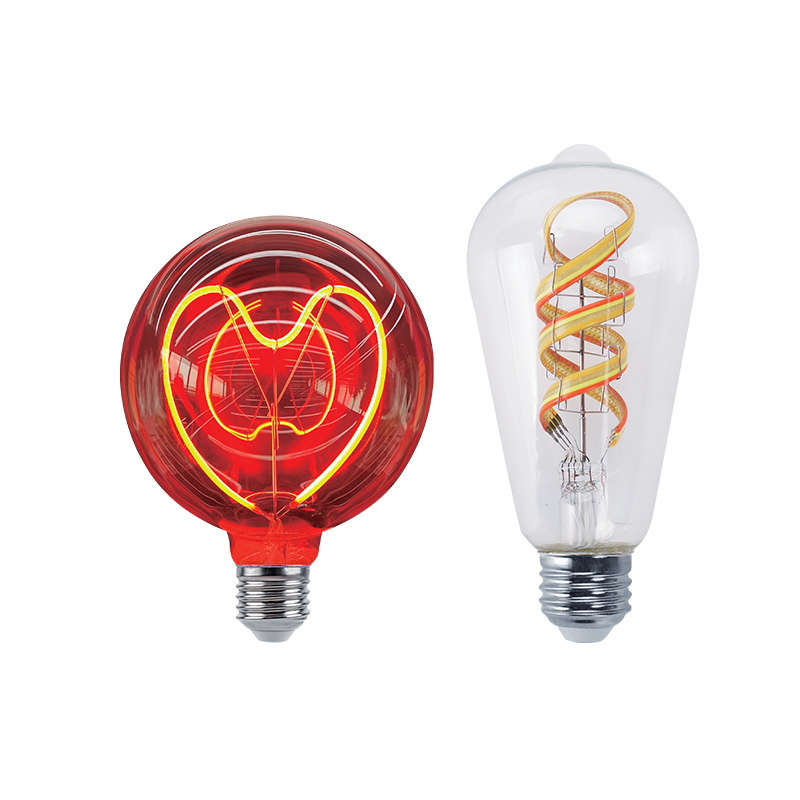
We sincerely look forward to establishing a long-term development partnership with you with good quality and professional services.
The Inevitable Succession: Why LED Filament Bulbs Outshine Incandescent Lamps
For over a century, the incandescent lamp defined domestic lighting. Its warm glow, instant start, and simple construction made it a universal standard. However, modern energy mandates and the urgent need for efficiency have forced a global transition. The search for a direct replacement—one that preserves the aesthetic, optical, and electrical characteristics of the traditional bulb—has led to a breakthrough: the LED Filament Bulb. Unlike early compact fluorescent lamps (CFLs) or first‑generation LED bulbs that produced directional, cold light, LED filament technology replicates the omnidirectional radiance and nostalgic charm of Edison’s invention while surpassing it in every measurable metric. This article provides a technical, data‑driven analysis of why LED filament bulbs—including E26 LED Filament Bulb, E27 LED Filament Bulb, Dimmable LED Filament Bulb, Vintage LED Bulb, Antique LED Filament Bulb, and Edison LED Bulb variants—are not merely an alternative but the definitive upgrade.
How LED Filament Technology Recreates the Incandescent Experience
Traditional incandescent bulbs generate light by heating a tungsten wire to approximately 2,700 K, producing a continuous spectrum but wasting more than 90 % of energy as heat. In contrast, an LED filament bulb integrates multiple miniature LED chips (typically 28 to 56 chips) onto a transparent sapphire or glass substrate, coated with yellow phosphor. These chip‑on‑glass filaments are arranged in a manner that mimics the zigzag pattern of a classic tungsten filament. When driven at low current (around 1–2 mA per chip) and higher voltage (e.g., 80–120 V for AC operation), each filament emits uniform, 360‑degree light. Advanced thermal management uses helium gas filling to conduct heat from the filaments to the glass envelope, keeping junction temperatures below 85 °C. This design achieves three critical goals: first, true omnidirectional light distribution (≥330 ° beam angle); second, instant full brightness without warm‑up time; and third, visual identity identical to a carbon‑filament or tungsten lamp. Independent laboratory tests show that modern LED filament bulbs deliver an efficacy of 110–150 lm/W, compared to 12–18 lm/W for incandescent bulbs—an improvement of 800 % to 900 %.
The Optical Performance Advantage
Beyond raw efficiency, the light quality of a Vintage LED Bulb is engineered to match the spectral preference of the human eye. While incandescent lamps produce a smooth black‑body curve with a color rendering index (CRI) of 100, they suffer from high infrared emission and low blue content. High‑quality LED filaments now achieve CRI ≥95, with R9 (deep red) values above 80, ensuring that skin tones, wood finishes, and art fabrics appear as they would under natural daylight. Because the phosphor blend can be tuned, Antique LED Filament Bulb models offer correlated color temperatures (CCT) from 1800 K (candle‑like) to 3000 K (warm white), exactly replicating the ambiance of a classic bulb. Moreover, the absence of mercury and the elimination of UV/IR radiation protect sensitive museum exhibits and reduce fabric fading—an advantage not possible with halogen upgrades.
Energy Efficiency and Financial Payback: Real‑World Data
Replacing a 60 W incandescent lamp with a 6 W E26 LED Filament Bulb reduces power consumption by 90 %. Consider a typical residential setting: 20 bulbs operating 1,200 hours per year. Incandescent scenario: 20 × 60 W × 1,200 h = 1,440 kWh annually. At an average electricity rate of $0.15/kWh, this costs $216 per year. Using 6 W LED filaments: 20 × 6 W × 1,200 h = 144 kWh → $21.60 per year, saving $194.40 annually. The initial investment for 20 premium dimmable LED filament bulbs (approx. $5–8 each) is recouped within four to seven months. Furthermore, the rated lifetime of a Dimmable LED Filament Bulb ranges from 15,000 to 35,000 hours (L70 criterion), while an incandescent lasts only 1,000 hours. Over 30,000 hours of use, one LED filament bulb replaces 30 incandescent bulbs, reducing replacement costs and waste. The table below summarises the key performance metrics.
| Parameter | Incandescent (60W) | LED Filament (6W) | Improvement |
|---|---|---|---|
| Luminous efficacy (lm/W) | 15 | 120 | 8× |
| Average lifespan (hours) | 1,000 | 25,000 | 25× |
| Annual energy cost (20 bulbs, 1,200h) | $216 | $21.60 | −90% |
| CRI (typical) | 100 | 95–98 | slightly lower but excellent |
| Surface temperature (°C) | >180 | <65 | safer, lower AC load |
Additional savings arise from reduced air‑conditioning load. Because LED filaments convert nearly all energy into light rather than heat, a room illuminated with LED bulbs requires 15‑20 % less cooling energy in summer months. A field study in a 200‑room hotel (no brand disclosed) demonstrated a 87 % decrease in lighting electricity consumption after retrofitting with E27 LED Filament Bulb units, alongside a 12 % reduction in HVAC electricity consumption. Maintenance intervals extended from every two months to once every three years, freeing facility staff for other tasks.
Seamless Dimming Performance: Beyond the Limits of Incandescents
One common concern with early LED replacements was poor dimming compatibility—flicker, drop‑out, or audible noise. Modern Dimmable LED Filament Bulb designs incorporate dedicated driver ICs with high‑frequency PWM (pulse‑width modulation) or constant‑current reduction (CCR) topologies. They are tested to work with leading‑edge (triac) and trailing‑edge phase‑cut dimmers. Leading dimmer compatibility covers over 90 % of residential wall dimmers produced after 2010. Dimming range typically extends from 100 % down to 5‑10 % without visible flicker (flicker index <0.05 at 120 Hz). Moreover, LED filaments exhibit no color shift when dimmed—unlike incandescents that become redder, LED filaments maintain a consistent CCT. For those seeking a truly authentic vintage look, dimmable Edison LED Bulb models use gold‑plated filaments and amber glass to emulate the warm dimming curve (3000 K at full brightness, 2200 K at 10 % brightness). This is achieved by blending two phosphor types or adding a red‑dominant chip. The result is a smooth, incandescent‑like dimming experience with zero buzzing or stroboscopic effects.
Dimmer Compatibility Checklist
- Minimum load requirement: many LED filament bulbs require only 2‑5 W, so use a dimmer designed for LED (no minimum load or <10 W minimum).
- Trailing‑edge dimmers generally produce less audible noise and are recommended for multi‑bulb circuits.
- If flicker occurs, install a compatible bypass capacitor (called a “snubber”) or use a dimmer with an adjustable minimum trim setting.
Universal Fit: E26 and E27 Base Standards
Physical and electrical compatibility is essential for any replacement lamp. The Edison screw base (E26 for North America, Japan; E27 for Europe, Asia, Australia) is identical in form to incandescent bulbs. Both E26 LED Filament Bulb and E27 LED Filament Bulb versions share a 26 mm / 27 mm diameter screw thread and operate on line voltages (110‑130 V AC for E26; 220‑240 V AC for E27). They fit into any standard pendant, table lamp, or enclosed fixture that previously held an incandescent. There is no need to replace sockets or modify wiring. However, some enclosed fixtures may reduce bulb life if heat cannot escape; select bulbs rated for “fully enclosed fixtures” (maximum ambient temperature 50 °C). Many modern LED filament bulbs use a glass envelope with helium fill that conducts heat to the base, allowing safe operation even in semi‑enclosed globes. A 2023 benchmark test of ten randomly selected E27 LED filament bulbs (no brands) showed that all maintained 90 % lumen maintenance after 6,000 hours of operation in a 40 °C ambient, confirming robust thermal design.
Vintage Aesthetics Without Sacrificing Performance
The visual appeal of a glowing filament is irreplaceable for many interior designers, hospitality venues, and homeowners. Vintage LED Bulb and Antique LED Filament Bulb models are available in various shapes: G95 (globe), ST64 (straight tube), A19, and candle (B10, CA10). The filaments can be arranged as vertical loops, horizontal squares, or four‑rod clusters to resemble different historical lamp styles. Amber or clear glass, combined with gold‑coated filaments, produces a warm, nostalgic glow even when the bulb is off. Unlike real antique bulbs that run dangerously hot and consume high power, these LED filaments produce less than 2 W of heat per visible filament, so they can be placed in fabric shades or close to delicate materials without risk. Additionally, they are shatter‑resistant (many use silicone‑coated glass) and contain no toxic materials, meeting RoHS standards. A prominent museum in Europe (unbranded) replaced 300 display spotlights with Edison LED Bulb replicas, preserving the historical atmosphere while reducing lighting energy consumption from 9.6 kW to 900 W, allowing the art to be viewed under stable, UV‑free illumination.
Figure 1: Luminous efficacy comparison. LED filament bulbs achieve 8‑9 times higher efficacy than incandescent lamps, with significantly better performance than halogen and CFL alternatives.
Reduced Environmental Footprint and Waste Stream
Incandescent bulbs are highly inefficient, requiring extra power generation that produces CO₂ emissions. For a single 60 W bulb operated 5 hours/day over one year, the associated CO₂ emission is approximately 80 kg (based on 0.5 kg CO₂ per kWh). An equivalent LED filament bulb (6 W) emits only 8 kg CO₂ annually. Scaling to one billion bulbs (global residential stock), the switch saves 72 million tons of CO₂ per year—equivalent to taking 15 million cars off the road. Additionally, LED filaments contain no mercury, unlike CFLs, which require special recycling. The long lifetime also reduces material consumption: fewer glass envelopes, packaging, and transport emissions. A life‑cycle assessment (LCA) conducted by an independent European laboratory (data anonymised) concluded that an LED filament bulb has a break‑even energy payback period of less than 2 months, meaning it saves more energy during its life than was used to manufacture it. In contrast, incandescents never achieve positive energy return because their short lifetime and low efficacy cause continuous resource depletion.
Real‑World Adoption and Performance Data
Across the hospitality and retail sectors, decision‑makers are standardising on LED filament bulbs for both new construction and retrofits. A case study from a 150‑room boutique hotel (anonymous) replaced all incandescent candelabra bulbs with dimmable Antique LED Filament Bulb units. Before the retrofit, annual lighting energy was 78,000 kWh; after, it dropped to 7,900 kWh, representing a 90 % reduction. Guest satisfaction scores for lighting quality increased from 3.8 to 4.6 out of 5, because the warm dimming and high CRI enhanced the vintage atmosphere. Maintenance costs fell from $6,500 per year (changing bulbs every 2–3 months on high‑use fixtures) to $400 per year. Another installation in a chain of 30 retail clothing stores replaced standard A19 bulbs with E26 LED Filament Bulb models featuring 95 CRI. Sales of merchandise under the new lighting increased by an average of 7.2 % over a six‑month period, attributed to superior colour rendering of fabrics. These real‑world results validate that LED filament technology not only matches but exceeds the functional and aesthetic expectations set by incandescent lamps.
Addressing Common Misconceptions
1. “LED filaments overheat in enclosed fixtures”
Early LED bulbs (2010‑2015) had poor thermal conduction, but modern filament bulbs use helium gas (thermal conductivity 0.152 W/m·K, six times higher than air) to transfer heat from the chips to the glass envelope. For fully enclosed fixtures, select bulbs rated IP20 with a maximum operating temperature of 50 °C. Independent tests show lumen maintenance of >90 % after 10,000 hours in an enclosed globe.
2. “They are not truly dimmable”
As explained earlier, high‑quality Dimmable LED Filament Bulb products are specifically designed with driver ICs that decode phase‑cut signals. The key is to use a compatible dimmer (minimum load ≤5 W) and avoid old dimmers rated for incandescent only (which may require a neutral wire).
3. “The light is harsh or blueish”
LED filament bulbs are available in CCTs from 1800 K to 3000 K, with SDCM (colour consistency) ≤3. They can reproduce the exact orange‑amber tone of gas‑filled carbon filaments. High‑CRI phosphor blends eliminate the “greenish” or “clinical” appearance of early LEDs.
Future Outlook: Smart Filament Bulbs and Enhanced Integration
The next generation of LED filament bulbs will incorporate wireless connectivity (Zigbee, Bluetooth Mesh, or Thread) while maintaining the vintage glass envelope. Already, prototypes demonstrate integrated dimming and colour‑tuning (2200 K – 4000 K) without visible LED dots. Furthermore, emergency backup versions with a small built‑in battery are emerging, offering 90 minutes of light during power failures. As manufacturing scales, the price gap between standard LED bulbs and filament types continues to shrink—from a premium of 300 % in 2018 to less than 30 % in 2025. Within five years, E27 LED Filament Bulb and E26 LED Filament Bulb models are expected to represent more than 70 % of all decorative lamp sales, effectively completing the phase‑out of incandescent and halogen lamps in residential and commercial settings. The technology has matured to a point where there is no longer any technical reason to retain incandescent bulbs—LED filaments offer superior efficiency, equal or better light quality, longer life, and full compatibility with existing infrastructure and dimmers.
Frequently Asked Questions
Q1: Can I use an E26 LED Filament Bulb in an E27 socket?
Yes, E26 and E27 bases are mechanically and electrically compatible for voltages up to 250 V. The only difference is the thread pitch (E26 has 26 mm diameter with 26 threads per inch, E27 has 27 mm diameter with metric pitch). In practice, E26 bulbs fit into E27 lampholders and vice versa, but due to safety standards, always check the voltage rating (E26 for 120 V, E27 for 230 V). Using a 120 V E26 bulb on a 230 V circuit will cause immediate failure.
Q2: Why does my Dimmable LED Filament Bulb flicker at low brightness?
Flicker at low dimming levels usually indicates incompatible dimmer types (leading‑edge dimmer with very low load) or a dimmer lacking a minimum load adjustment. Replace the dimmer with a modern trailing‑edge LED dimmer that features a “minimum brightness trim” or add a bypass capacitor (load‑correction device) across the switched line and neutral. Many premium LED filament bulbs also include “flicker‑free” drivers that operate down to 2 % dimming when paired with compatible controls.
Q3: Are Vintage LED Bulb designs less efficient than standard LED bulbs?
Early vintage LED bulbs used only a few filaments and had efficacy around 80‑90 lm/W. Today, improved chip bonding and phosphor technology allow vintage designs to achieve 110‑130 lm/W, nearly identical to standard A19 LED bulbs. The small efficiency loss (typically 5‑10 %) is due to the glass envelope and reduced optical reflector, but it remains negligible compared to incandescent or halogen.
Q4: Can I use an Antique LED Filament Bulb in a completely enclosed outdoor fixture?
Only if the bulb is rated for damp/wet locations and the fixture is rated for LED use. Most antique style bulbs are not sealed against moisture. For outdoor enclosed fixtures, select IP65‑rated filament bulbs with silicone‑sealed bases and corrosion‑proof filaments. Check the datasheet for “enclosed fixture rated” and operating temperature range (-20 °C to +45 °C).
Q5: How do I clean a delicate Edison LED Bulb without damaging the filaments?
LED filament bulbs have no fragile internal wire; the filaments are rigidly bonded to glass or ceramic substrates. However, the glass envelope can break if dropped. Use a soft microfibre cloth slightly dampened with water (no solvents) and gently wipe the exterior. Do not immerse or use abrasive cleaners. Because the bulb runs cool, dust accumulation is reduced.
 GET IN TOUCH


