


 English
 Español
 Deutsch
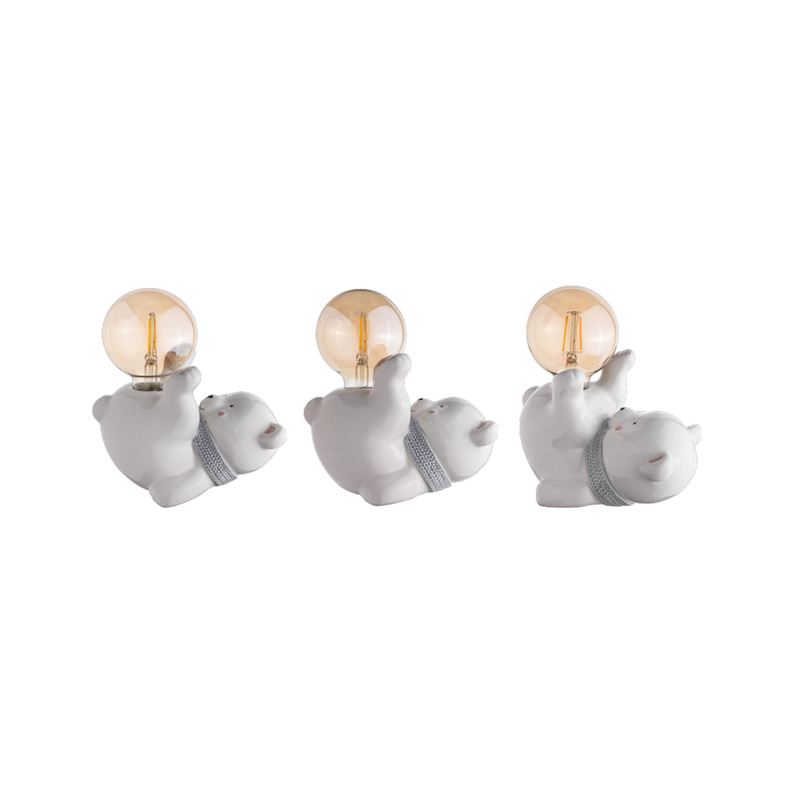
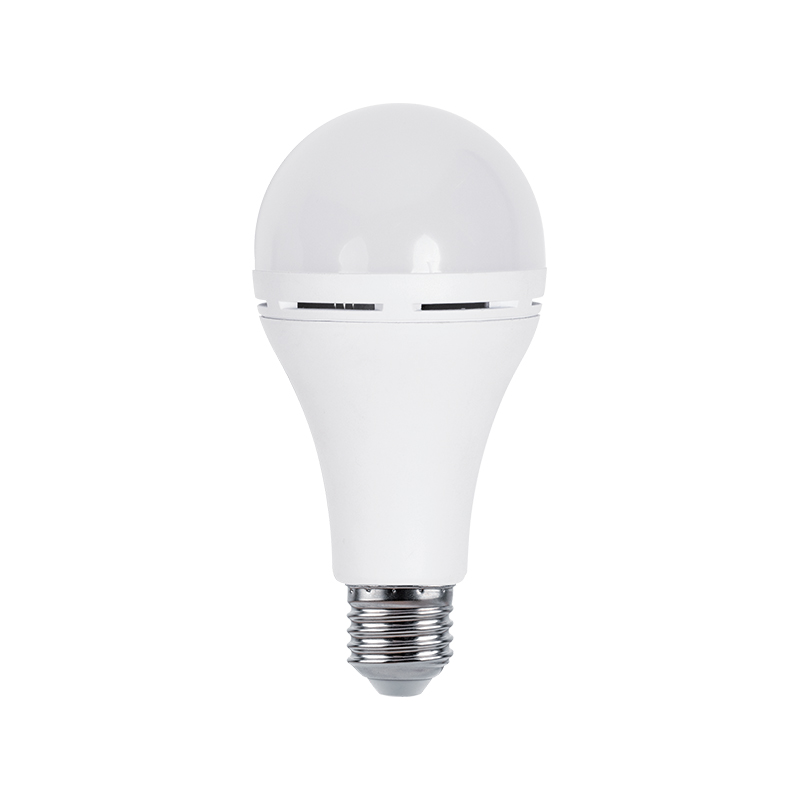
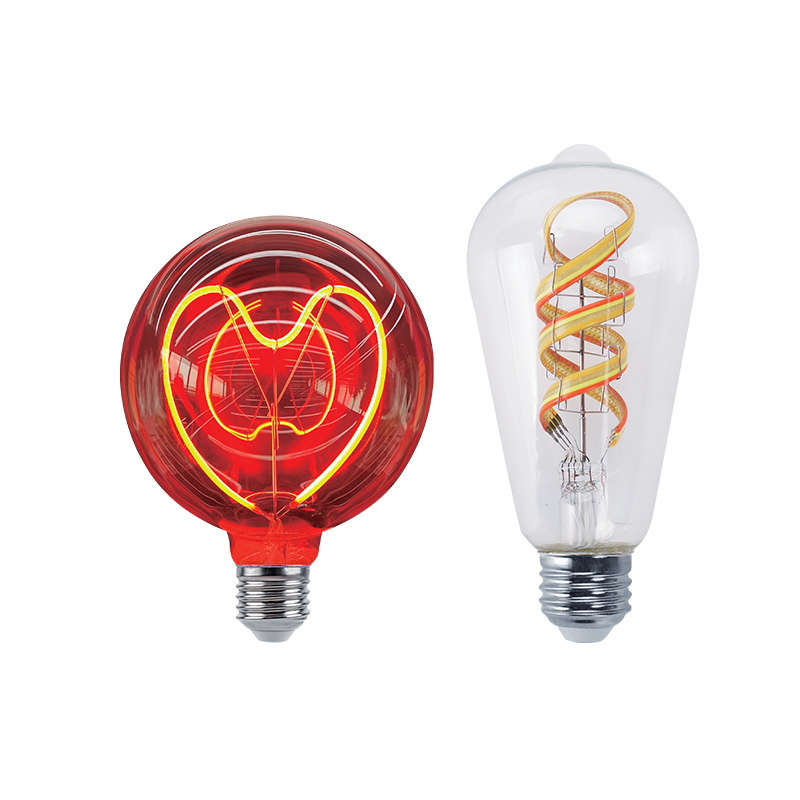
We sincerely look forward to establishing a long-term development partnership with you with good quality and professional services.
Introduction to Wireless Holiday Lighting
The landscape of outdoor holiday decoration has transformed dramatically over the past decade. Battery-operated outdoor Christmas lights represent a fundamental shift from traditional wired systems, offering homeowners unprecedented flexibility, safety, and aesthetic possibilities. This comprehensive guide explores every aspect of wireless holiday lighting technology, from selection criteria to installation best practices.
Modern battery-powered systems have evolved far beyond simple string lights. Today's offerings include sophisticated decorative bulbs with customizable brightness, color options, and smart control capabilities. Whether you're decorating a small patio or an expansive outdoor space, understanding the nuances of battery-operated systems will help you make informed decisions that enhance both functionality and visual impact.
Why Battery-Operated Systems Dominate Modern Holiday Decoration
Safety and Convenience Advantages
Battery-operated outdoor Christmas lights eliminate the primary hazards associated with traditional electrical installations. Without external power cords, you remove the risk of tripping hazards, electrical shock, and weather-related short circuits. This advantage proves particularly valuable for families with children and pets, creating a secure festive environment.
The convenience factor extends beyond safety. Installation becomes a straightforward process requiring no electrical expertise, no outdoor outlets, and no complex wiring. Homeowners can position lights wherever desired—on tree branches, along roof edges, within garden features—without planning around outlet locations or managing extension cord lengths.
Environmental and Economic Benefits
Modern LED LED warm white holiday lights consume significantly less energy than traditional incandescent options. A typical battery-operated LED string operates for 20-40 hours on a single battery set, translating to substantial cost savings across a holiday season. The energy efficiency also means reduced environmental impact without compromising visual appeal.
The initial investment in quality battery-operated systems often proves economical when calculated over multiple seasons. Premium units feature durable construction materials that withstand harsh weather conditions, reducing replacement frequency and maximizing return on investment.
Aesthetic Flexibility and Control
Battery systems empower creative decoration strategies. Multiple independent strings allow layered lighting designs without coordination complexity. Advanced models feature timer functions, brightness adjustment, and color-changing capabilities, enabling homeowners to customize ambiance for different occasions throughout the season.
Understanding Different Battery-Operated Light Categories
String Lights and Linear Arrangements
Traditional string lights represent the most popular battery-operated category. These systems typically feature evenly spaced bulbs along a continuous wire, available in lengths from 10 to 100+ feet. String lights work exceptionally well for outlining architectural features, wrapping tree trunks, or creating linear pathways through garden spaces.
Quality string light systems incorporate:
- Weather-resistant wire construction rated for temperature extremes
- Durable socket connections preventing moisture infiltration
- Spacing variations accommodating different decorative intentions
- Connector compatibility enabling multiple string combinations
Cluster and Icicle Configurations
These specialized designs group multiple bulbs together or arrange them in vertical cascades. Icicle lights prove particularly effective for creating dramatic waterfall effects along gutters, fences, and garden structures. Cluster configurations work well for dense tree decoration and focal point creation.
Net Lights and Specialty Shapes
Net-style lights feature built-in grid patterns ideal for covering irregular surfaces like bushes and shrubs. Specialty options include rope lights, rope light tubes with continuous illumination, and shape-specific designs such as animated light projections. These alternatives provide creative solutions for unique architectural features and landscape elements.
Smart and Connected Systems
Premium battery-operated lights increasingly incorporate smart technology. These systems connect via Bluetooth or wireless protocols, enabling remote control through mobile applications. Features include scheduling, color selection, brightness variation, and synchronization across multiple strings—all without traditional wired infrastructure.
Selecting the Right Decorative Bulbs and LED Replacement Options
Understanding LED Technology in Holiday Applications
LED technology has revolutionized outdoor lighting. Compared to traditional incandescent bulbs, LED options provide superior efficiency, longevity, and safety characteristics. A single incandescent bulb consumes approximately 7 watts, while equivalent LED units use less than 1 watt—a dramatic efficiency improvement translating to extended battery life and reduced operational costs.
LED vs. Incandescent Comparison
Light Output Duration: LED systems operate 40-80 hours per battery set; incandescent systems: 8-15 hours
Operating Temperature: LED units remain cool to touch; incandescent units reach 200+ degrees Fahrenheit
Lifespan: Quality LED bulbs function 25,000+ hours; incandescent bulbs: 1,000-2,000 hours
Environmental Impact: LEDs contain no mercury; some incandescent alternatives contain hazardous materials
Color Temperature and Warm White Options
Color temperature, measured in Kelvin units, significantly impacts overall aesthetic. Warm white tones (2700-3000K) create traditional, cozy holiday atmospheres reminiscent of classic incandescent lighting. Cool white options (5000-6500K) deliver modern, crisp aesthetics suitable for contemporary architectural styles.
Many decorating professionals recommend warm white for residential applications, as this spectrum complements natural wood tones, stone features, and traditional holiday color palettes. Premium installations often combine warm white primary strings with accent colors, creating sophisticated visual hierarchy.
Bulb Style Variations and Aesthetic Considerations
Modern lamp light bulb designs extend beyond traditional C7 and C9 shapes. Options now include:
- Edison-style vintage bulbs providing nostalgic ambiance
- Spherical and globe designs offering contemporary appeal
- Novelty shapes including stars, snowflakes, and geometric patterns
- Faceted designs enhancing light refraction and visual impact
- Frosted finishes diffusing light for softer overall effect
LED Replacement Bulb Compatibility
When upgrading existing string light systems, LED replacement bulbs must match socket specifications. Most standard battery-operated systems use standardized connections accommodating universal LED bulbs. However, specialized systems may require proprietary designs. Always verify compatibility before purchasing replacement components to avoid costly installation errors.
Premium LED replacement bulbs feature:
- Ceramic sockets preventing heat damage and extending lifespan
- Internal heat dissipation mechanisms protecting electrical components
- Consistent color rendering matching original specifications
- Waterproof sealing preventing moisture infiltration
Battery Technology and Power Management for Optimal Performance
Battery Types and Specifications
Battery-operated outdoor lights typically utilize AA, AAA, or specialized battery packs. Each category offers distinct advantages:
| Battery Type | Typical Runtime (Hours) | Best For | Cost Efficiency |
|---|---|---|---|
| AA Batteries | 20-30 hours | Standard string lights | High |
| AAA Batteries | 8-15 hours | Compact displays | Medium |
| Lithium Packs | 40-60 hours | Extended displays | Low |
| Rechargeable Batteries | 15-25 hours | Sustainable approach | Very High |
Optimizing Battery Life Through Smart Management
Extending battery operational life requires understanding power consumption factors. Number of lights, brightness settings, and feature usage directly impact runtime. A 40-light LED string on standard brightness consumes significantly less power than a 100-light display on maximum brightness with constant color-changing effects.
Strategic battery management includes:
- Utilizing timer functions to run displays during evening hours only
- Adjusting brightness levels appropriate to ambient light conditions
- Disabling unnecessary features when not actively viewing displays
- Rotating battery sets, allowing complete recharge between usage cycles
- Storing batteries in temperature-controlled environments during off-season
Weather Considerations and Performance Impact
Cold weather significantly affects battery performance. Most alkaline batteries deliver reduced power in temperatures below 32 degrees Fahrenheit. A system providing 30 hours runtime in temperate conditions may deliver only 15-20 hours in freezing temperatures. Lithium and premium alkaline batteries perform more consistently across temperature ranges, though at higher cost.
Humidity and moisture also influence battery compartment integrity. Quality systems incorporate weatherproof gaskets and drainage mechanisms preventing water accumulation that corrodes battery terminals and reduces performance.
Professional Installation Strategies and Best Practices
Planning Your Display Layout
Successful outdoor lighting installations begin with detailed planning. Survey your landscape identifying focal points, architectural features, and natural sight lines. Professional designers typically create visual maps incorporating:
- Primary focal areas requiring concentrated lighting
- Accent lighting highlighting landscape features and pathways
- Ambient lighting establishing overall atmosphere
- Proportional light distribution avoiding overexposure in concentrated zones
Calculate total light quantity based on space dimensions. Industry guidelines suggest 10-20 lights per linear foot for dense appearance, 5-10 per foot for moderate effect, and 2-5 per foot for subtle accent lighting. Battery system specifications must accommodate planned configurations.
Mounting Techniques and Hardware Considerations
Outdoor installation hardware must withstand environmental stresses. Quality systems incorporate:
- Stainless steel hooks and fasteners preventing rust
- Adhesive clips accommodating non-penetrating attachment to various surfaces
- Adjustable mounting arms accommodating uneven terrain and architectural features
- Weather-sealed battery compartments with drainage provisions
- Wire management systems organizing multiple strings without tangling
Installation positioning significantly impacts both safety and aesthetics. Professional installers typically avoid mounting lights directly above walkways where falling water or ice presents hazards. Securing lights 6-8 feet above ground level minimizes accidental contact while optimizing visual impact.
Weatherproofing and Environmental Protection
Battery compartments require meticulous weatherproofing. Before seasonal installation, inspect all seals, gaskets, and fasteners. Apply silicone-based waterproof sealant to connection points. Position battery boxes in sheltered locations, beneath eaves or within protective structures, minimizing direct water exposure.
For systems remaining installed through winter, incorporate:
- Regular inspection cycles checking for moisture accumulation
- Battery compartment ventilation preventing condensation
- Protective covering for sensitive electronic components
- Scheduled maintenance removing accumulated snow or ice
Maintenance, Troubleshooting, and Seasonal Care
Routine Maintenance Protocols
Extending system lifespan requires consistent maintenance attention. Establish monthly inspection routines checking:
- Battery compartment integrity and seal condition
- Wire insulation for cracks, splits, or degradation
- Bulb connections for corrosion or loose fitting
- Overall light output consistency across all fixtures
- Moisture accumulation within battery chambers
Before winter storage, thoroughly dry all components and disassemble strings where practical. Store batteries separately in cool, dry locations. Alkaline batteries self-discharge during extended storage; inspect battery voltage before seasonal reinstallation.
Troubleshooting Common Issues
Most battery-operated light problems stem from simple causes. When experiencing operational difficulties:
- Verify battery installation and polarity alignment within battery compartments
- Replace batteries with fresh units—depleted batteries cause intermittent operation
- Inspect bulb connections for corrosion; clean with dry cloth or light abrasive
- Test timer mechanisms ensuring proper scheduling configuration
- Check wire insulation for damage potentially causing shorts
- Examine weather sealing around compartments for moisture intrusion
- Verify all connections match manufacturer specifications
If individual lights malfunction while others operate normally, isolated bulb replacement typically resolves issues. Quality systems support independent bulb removal and installation without affecting remaining fixtures.
Seasonal Preparation and Storage
Proper off-season storage dramatically extends system lifespan. Before storage:
- Disconnect all batteries and store separately in temperature-controlled areas
- Thoroughly dry light strings to prevent mold growth and corrosion
- Coil wires carefully, securing with Velcro straps to prevent tangling and insulation damage
- Clean battery compartments and inspect all seals for deterioration
- Store complete systems in waterproof containers in climate-controlled spaces
- Create inventory documentation noting system specifications and replacement part compatibility
Ideal storage temperatures range between 50-70 degrees Fahrenheit. Avoid damp basements, hot attics, or temperature-extreme environments that degrade electronic components and battery chemistry.
Design Principles for Stunning Visual Impact
Creating Balanced Light Distribution
Professional outdoor lighting design follows fundamental principles ensuring visual harmony. Successful installations balance density, color temperature, and placement intensity across visible areas. Overcrowded concentrated lighting creates harsh, unflattering effects; sparse placement diminishes overall impact.
Employ layering techniques combining different light types at varying heights and intensities. Ground-level accent lighting emphasizes landscaping features; mid-level display lighting creates focal points; elevated accent lighting highlights architectural elements and creates depth perception.
Color Coordination and Temperature Management
Warm white tones (2700K) create inviting, traditional ambiance while cool white options (6000K) deliver contemporary, modern aesthetics. Mixing color temperatures within single displays requires careful consideration—typically maintaining primary warm white foundation with selective cool white accent placement.
Multi-color changing systems demand restraint. Constant color shifting becomes fatiguing and loses impact. Professional installations employ subtle color transitions during evening hours, highlighting specific features or responding to time-based programming.
Proportion and Scale Considerations
Light quantity should reflect spatial dimensions. Small residential spaces typically require 500-1,000 total bulbs for balanced coverage; medium landscapes 2,000-5,000 bulbs; large properties may exceed 10,000 bulbs. Battery system planning must accommodate these scales.
Energy Efficiency and Cost Analysis
Power Consumption Metrics
Understanding power consumption enables accurate system planning and budget estimation. Standard LED C9 bulbs consume 0.5-0.7 watts each; C7 bulbs use 0.3-0.5 watts. A 50-light LED string draws approximately 20-25 watts total operating power. Traditional incandescent C9 bulbs consume 7 watts individually; equivalent 50-bulb displays draw 350+ watts.
This dramatic efficiency difference explains extended battery runtime and operational cost advantages. A battery-operated LED system runs approximately 30-40 hours on standard AA batteries; equivalent incandescent systems provide only 5-8 hours runtime, necessitating frequent battery replacement and substantially increasing seasonal costs.
Long-Term Cost Comparison
Five-year cost analysis reveals compelling financial advantages for LED systems:
| System Type | Initial Cost | Annual Battery Costs | 5-Year Total |
|---|---|---|---|
| LED System (40-light) | $45-65 | $20-30 | $145-215 |
| Incandescent System (40-light) | $25-35 | $80-120 | $425-635 |
| Rechargeable LED System | $80-120 | $0-15 | $80-195 |
Return on Investment Calculation
Premium systems featuring rechargeable battery packs deliver exceptional ROI. Initial investment typically recoups within two seasons through battery cost elimination. Extended equipment lifespan—premium systems last 5-7 years compared to 2-3 years for standard options—further improves long-term economics.
Homeowners planning 5+ year usage should prioritize premium rechargeable systems. For temporary or short-term applications, standard alkaline-powered systems prove more economical despite higher operational costs.
Advanced Technology and Smart Features
Timer and Automation Functions
Modern battery systems increasingly incorporate programmable timers enabling automated operation. Built-in timers power lights on at sunset, maintain operation for 4-8 hours, then automatically shut down, optimizing battery consumption while eliminating manual on-off cycles.
Smart-enabled systems connect to mobile applications allowing remote scheduling, brightness adjustment, and feature control from smartphones or tablets. These capabilities prove particularly valuable for homeowners managing multiple display zones or those traveling during holiday periods.
Color-Changing and Effects Capabilities
Premium systems feature color-changing LEDs providing rainbow options, warm-to-cool transitions, or single-color selections. Built-in effect modes include fading, twinkling, color-chase patterns, and synchronized multi-string configurations. Careful effect selection enhances sophisticated displays without overwhelming visual sensibility.
Professional installations typically employ subtle effects—gentle fading between warm and cool whites, occasional sparkle effects, or slow color transitions—reserving animated rapid-change patterns for special occasions. This restraint maintains visual appeal throughout extended viewing periods.
Wireless Integration and Home Automation
Emerging systems integrate with broader home automation platforms. These advanced options synchronize lighting displays with music, respond to environmental conditions, or coordinate with interior home lighting schemes. While presently premium products, declining costs make these features increasingly accessible.
Environmental Considerations and Sustainable Practices
LED Environmental Advantages
LED technology represents substantial environmental improvement over traditional incandescent solutions. LED bulbs require 70-80% less energy, dramatically reducing carbon emissions across holiday seasons. Modern LED systems containing no mercury, lead, or hazardous materials eliminate toxic disposal concerns.
Manufacturing environmental impact favors LED production. Reduced energy consumption during manufacturing and extended operational lifespan offset higher production complexity. Lifecycle analysis shows LEDs deliver 50-70% lower environmental impact than incandescent equivalents.
Battery Recycling and Disposal
Responsible battery management requires proper disposal of exhausted units. Alkaline batteries constitute recyclable materials despite common misconceptions. Most communities offer battery recycling programs; many retailers provide collection services. Rechargeable systems eliminate recurring disposal requirements, substantially reducing environmental footprint.
Before battery disposal, always remove from devices and verify local recycling facilities accepting household batteries. Never dispose of batteries through standard trash, as landfill environments leach materials into groundwater and soil ecosystems.
Sustainable Holiday Practices
Extending display seasons through multi-purpose usage maximizes equipment utilization. Many systems adapt to various occasions—autumn decorating, event illumination, accent lighting—extending usage beyond Christmas periods and improving cost-per-use efficiency.
Selecting durable, quality systems supporting repair and replacement components encourages long-term usage, reducing replacement frequency and associated environmental impact. Secondhand equipment markets for holiday lighting enable extended product lifecycles and reduced waste streams.
Frequently Asked Questions
Q1: How long do battery-operated Christmas lights typically last on a single battery set?
Standard LED systems operate 20-40 hours on AA battery sets; premium lithium or rechargeable systems extend to 40-80 hours. Actual duration depends on light quantity, brightness settings, feature usage, and temperature conditions. Cold weather reduces battery performance by approximately 30-40%. Traditional incandescent systems provide only 5-15 hours, making LED options substantially superior.
Q2: Can I combine multiple string lights on single battery packs?
Some premium systems support daisy-chaining multiple strings through connector compatibility. However, adding lights reduces overall runtime proportionally. A 40-light string on AA batteries may provide 30 hours; connecting two 40-light strings reduces runtime to approximately 15 hours. Always verify manufacturer specifications before attempting multiple-string configurations.
Q3: Are battery-operated lights suitable for permanent outdoor installation?
While designed for seasonal use, quality systems withstand extended outdoor exposure if properly maintained. Key considerations include secure weather sealing, regular inspection cycles, and protected battery compartment positioning. Most manufacturers recommend removing displays during extreme weather events and ensuring proper drainage around installation areas.
Q4: What battery types deliver best performance in cold weather conditions?
Lithium batteries significantly outperform alkaline options in freezing temperatures. Specialized cold-weather formulations maintain 80-90% capacity below 32 degrees Fahrenheit, while standard alkaline batteries decline to 50-60% capacity. Rechargeable batteries vary by chemistry; lithium-ion options perform better than nickel-metal hydride alternatives in cold conditions.
Q5: Can I use LED replacement bulbs in original incandescent socket systems?
Most battery-operated systems use standardized socket designs accommodating LED replacement. However, original incandescent circuit designs may not optimize LED performance. Brightness appears reduced in some cases, or timers may malfunction. Always verify compatibility before purchasing replacements; manufacturer guidance prevents installation errors and ensures proper operation.
Q6: How do I protect battery-operated lights from moisture damage?
Proper weatherproofing requires checking all seals and gaskets before installation. Apply silicone-based waterproof sealant to connection points. Position battery compartments in sheltered locations beneath eaves or within protective structures. Regular inspection cycles identify moisture accumulation; if detected, remove batteries immediately and allow complete drying before reinstallation.
Q7: What spacing should I use between bulbs for professional-looking displays?
Professional installations maintain consistent 8-12 inch spacing between bulbs. Tighter spacing creates denser appearance; wider spacing emphasizes individual fixtures. Consistent spacing throughout displays creates visual harmony and professional appearance. Varying spacing between 10-15 inches produces unbalanced, amateur appearance.
Q8: Do color-changing lights consume more battery power than static-color options?
Color-changing features slightly increase power consumption due to additional electronics controlling color shifts. Actual impact remains minimal—typically reducing runtime by 10-15% compared to static-color equivalents. Timer and effect functions have more significant impact on battery duration than color capability alone.
Q9: What is the lifespan of quality battery-operated light systems?
Premium systems typically function 5-7 years with proper maintenance. Standard systems last 2-4 years. Lifespan depends heavily on maintenance frequency, storage conditions, and component quality. Annual inspection and winter storage in climate-controlled environments significantly extend usable lifespan beyond manufacturer estimates.
Q10: Are battery-operated lights more expensive than wired electrical systems?
Initial equipment costs compare similarly; however, long-term analysis favors battery systems. Wireless installation eliminates electrician costs, outlet installation, and extension cord requirements. Battery operational costs offset through LED efficiency. Over 5-year periods, total-cost-of-ownership typically favors battery-operated systems, particularly when accounting for electricity savings and reduced labor expenses.
Creating Your Perfect Holiday Lighting Experience
Battery-operated outdoor Christmas lights represent the modern evolution of holiday decoration, combining safety, convenience, aesthetic flexibility, and environmental responsibility. From simple single-string installations to complex multi-display systems with smart controls, wireless lighting solutions accommodate every decorating vision and budget level.
Successful implementations begin with clear planning—assessing space dimensions, determining desired aesthetic impact, selecting appropriate bulb styles and color temperatures, and choosing battery systems matching estimated power requirements. Professional installation practices ensure weather reliability, safety, and visual excellence while extending system lifespan through proper maintenance and seasonal care.
Whether creating traditional warm-white displays echoing vintage incandescent charm or embracing contemporary multi-color smart systems, battery-operated lights deliver uncompromised flexibility. The combination of extended runtime, superior energy efficiency, enhanced safety, and sophisticated design capabilities positions these systems as the preferred choice for discerning homeowners prioritizing both visual impact and practical functionality.
Invest in quality LED replacement bulbs, premium battery packs, and durable mounting hardware. Maintain systems through regular inspection and proper seasonal storage. Execute thoughtful design incorporating balanced bulb spacing, appropriate color temperature selection, and layered lighting intensity. The result transforms outdoor spaces into stunning illuminated environments creating memorable holiday experiences for household residents and passing community members alike.
 GET IN TOUCH


