


 English
 Español
 Deutsch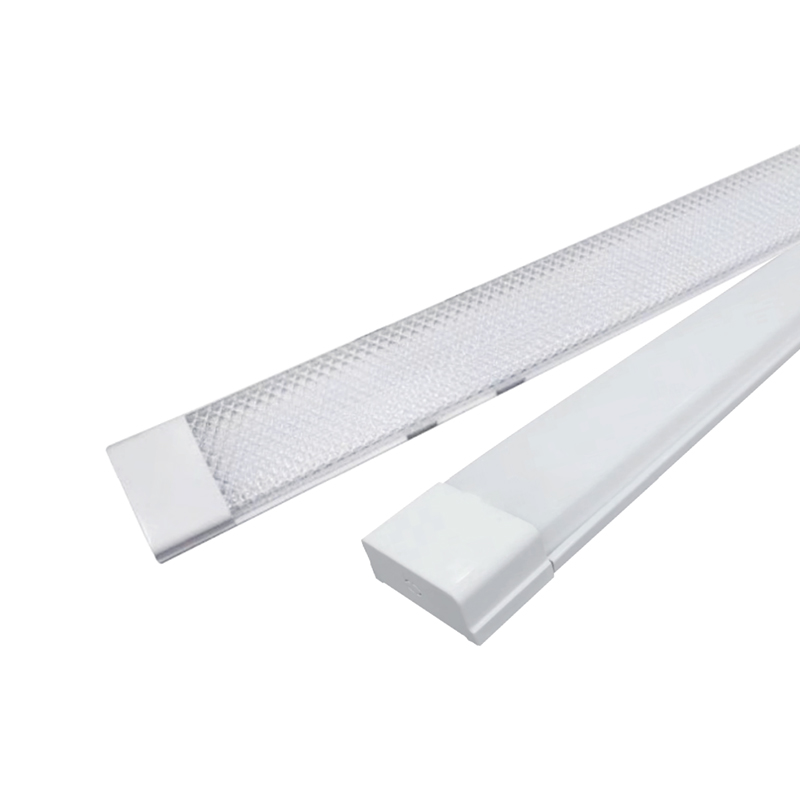
We sincerely look forward to establishing a long-term development partnership with you with good quality and professional services.
Why Under Countertop Lighting Changes How a Kitchen Works
A countertop that looks bright from the ceiling can still leave a dark band exactly where knife work, plating, and reading recipes happen. Overhead fixtures sit too far from the work surface, and a standing body blocks most of that light before it reaches the counter. Adding LED Under Cabinet Lights closes that gap by placing the light source twelve to eighteen inches above the task itself, which is the single most effective change a kitchen or prep station can make without altering ceiling wiring.
Commercial kitchens, retail counters, and lab benches share the same problem. Any surface where hands do detailed work under a cabinet or shelf benefits from a dedicated light layer that overhead fixtures cannot replace.
Task-level illuminance at a countertop typically needs to reach 300 to 500 lux for detailed work, a level that ceiling fixtures alone rarely deliver consistently across the full counter run.
How LED Under Cabinet Lights and LED Linear Fixtures Compare
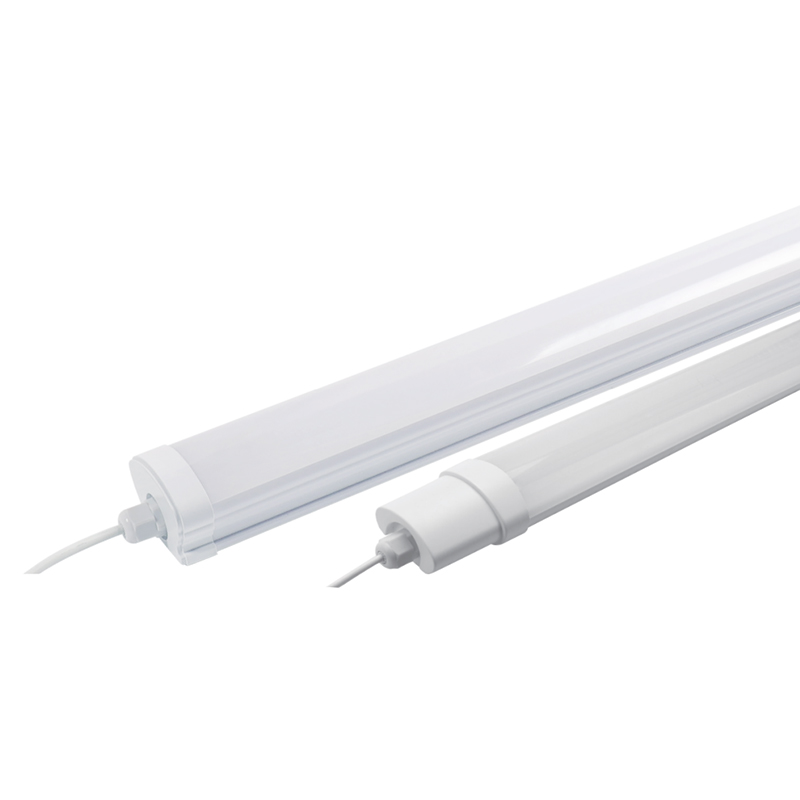
Both formats use LED sources, but they solve different layout problems. Under cabinet lights are typically compact pucks or short bars mounted individually, while LED Linear Fixtures run as continuous strips or rigid channels that span the full length of a cabinet or shelf run.
Puck-Style Fixtures
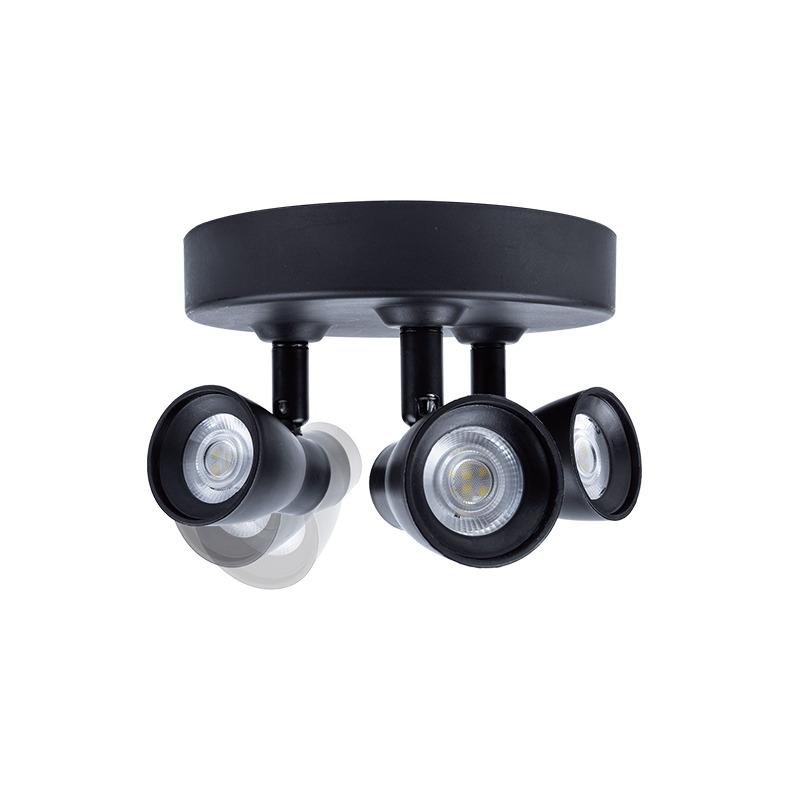
Individual pucks are easy to space out and simple to wire, which suits short cabinet sections or accent lighting where continuous illumination is not the priority. Their limitation is uneven brightness between fixtures, producing visible bright spots and shadowed gaps along the counter.
Continuous Linear Fixtures
Linear strips and rigid bars spread light evenly across the entire counter length, which is why commercial kitchens and long prep stations favor them. A single continuous run eliminates the scalloped shadow pattern that puck lights create, and it simplifies dimming control since the whole run behaves as one circuit.
Core Specifications to Check Before You Buy
Specification sheets for commercial lighting fixtures use consistent terms, but the numbers behind them vary widely by product line. The table below outlines what each spec actually affects on a countertop installation.
| Specification | Typical Range | Why It Matters |
|---|---|---|
| Color Temperature | 2700K to 4000K | Warmer tones suit residential kitchens; 3500K to 4000K reads cleaner under stainless counters |
| CRI (Color Rendering) | 80 to 95+ | Higher CRI keeps produce and food colors accurate for prep and plating |
| Lumens per Foot | 150 to 450 | Determines whether the fixture reads as accent or true task lighting |
| Input Voltage | 12V, 24V, or line voltage | Low voltage is safer near sinks; longer runs favor 24V for less voltage drop |
| IP Rating | IP20 to IP65 | Higher ratings resist grease and moisture near cooktops and sinks |
Planning Your Layout Before Installation
Layout decisions determine whether the finished result looks like a designed lighting layer or a row of mismatched bright spots. The diagram below shows a typical planning sequence for a countertop run.
Mounting position affects output more than most buyers expect. A fixture placed too far back under the cabinet throws its light against the wall behind the backsplash rather than onto the counter, wasting a meaningful portion of its rated lumens.
Where This Lighting Style Performs Best
- Residential kitchens - eliminates shadows during chopping and reading recipes on a tablet or cookbook.
- Commercial food prep counters - continuous linear runs meet consistent illuminance requirements across long stations.
- Retail display counters - highlights merchandise without adding ceiling-level glare that competes with product photography or signage.
- Workshop and lab benches - improves accuracy for fine assembly, soldering, or inspection tasks.
- Bathroom vanities - lights under cupboards near mirrors reduce facial shadowing that overhead fixtures cause.
For 8 foot led shop light fixtures used in garages or workshop benches, the same continuous-run principle applies at a larger scale, prioritizing even coverage over a wide bench rather than isolated bright points.
Installation Practices That Prevent Common Failures
Wiring and Power Planning
- Confirm whether the fixture run requires a dedicated driver or transformer before purchasing.
- Route low-voltage cable away from sink plumbing and disposal units to avoid moisture exposure.
- Group fixture runs on a single switch or dimmer circuit for consistent control.
- Leave a service loop of cable at each connection point for future adjustments.
Mounting and Finishing
- Use the manufacturer-provided mounting clips rather than adhesive alone in high-heat zones near cooktops.
- Test fixture alignment and brightness before securing the final cover or diffuser channel.
- Keep connectors accessible behind a removable panel rather than sealed permanently into cabinetry.
Fixtures rated IP65 or higher are worth the added cost directly above cooktops and near sinks, where grease and steam shorten the service life of lower-rated components.
Energy and Maintenance Data Worth Knowing
Operating Life
Quality LED linear fixtures commonly rate between 30,000 and 50,000 hours of operation before significant lumen depreciation.
Power Draw
A typical under cabinet run draws roughly 2 to 5 watts per foot, far below equivalent halogen strip lighting.
Heat Output
Lower heat generation compared to halogen options reduces stress on adjacent cabinet materials and adhesives over time.
Frequently Asked Questions
Q1: What is the difference between LED tape strip lights and rigid linear fixtures?
Tape strip lights are flexible and mount directly to a surface, making them suited to curved or irregular cabinet profiles. Rigid linear fixtures use an aluminum channel that improves heat dissipation and provides a more finished, recessed appearance along a straight run.
Q2: How many lumens do I need for under countertop lighting?
Most kitchen counters perform well between 200 and 300 lumens per foot for general task use, with higher output favored near cooktops or in commercial prep areas where detailed work is constant.
Q3: Can lights under cupboards be installed without hardwiring?
Yes. Many low-voltage systems use a plug-in transformer and adhesive or clip mounting, which avoids opening a wall for hardwiring in most residential settings.
Q4: Do commercial kitchens require a specific IP rating?
Local codes vary, but fixtures near open cooking surfaces or wash stations commonly require at least an IP65 rating to withstand grease, steam, and periodic washdown.
Q5: What color temperature works best for a workspace lighting setup?
4000K is a common middle ground for workspace lighting setups, offering enough clarity for detailed tasks without the flat, clinical look of higher color temperatures.
Q6: How far apart should individual fixtures be spaced?
For puck-style lights, spacing every 8 to 10 inches generally avoids visible dark gaps, though a continuous linear fixture removes this calculation entirely by lighting the full run at once.
 GET IN TOUCH


