


 English
 Español
 Deutsch
We sincerely look forward to establishing a long-term development partnership with you with good quality and professional services.
Technical Procurement Framework
Developing a comprehensive architectural blueprint for outdoor holiday decorating requires an engineering-focused understanding of modern illumination systems. Selecting illumination components extends far beyond aesthetic considerations, requiring rigorous calculations regarding electrical loads, structural weight capacities, thermal thresholds, environmental protection ratings, and systemic wiring topologies. A mismatched installation can lead to rapid voltage drop-off, structural drooping, mechanical breakdown, or catastrophic short circuiting under severe winter precipitation conditions.
Commercial and residential property operators must treat holiday displays as semi-permanent electrical infrastructure installations. This technical engineering guide breaks down the core structural, mechanical, and photometrical variables of three primary illumination categories: interchangeable traditional string configurations, solid-core extruded flexible linear arrays, and isolated low-voltage DC autonomous string topologies. By understanding these structural factors, installation supervisors can maximize structural longevity while minimizing field maintenance requirements throughout the winter operational season.
Structural and Photometric Dimensional Classifications: C7 vs C9
The selection between christmas lights c7 vs c9 bulb configurations defines the optical baseline of traditional structural outline illumination. While both variants share a classical conical form factor, their physical architecture, mechanical mount threading, luminous intensity profiles, and optimal target applications are entirely distinct. Selecting the improper form factor can result in either insufficient visual punch from long distances or an overly bright, visually cluttered installation when viewed at close proximity.
From an engineering perspective, the primary differentiator lies in the mechanical socket interface and bulb envelope dimensions. The standard C7 architecture relies on an E12 candelabra screw base, with a nominal bulb envelope height of approximately 1.5 inches and a maximum diameter of 0.875 inches. Conversely, the C9 platform scales up to a larger E17 intermediate screw base, featuring a nominal envelope height of 2.25 inches and a maximum diameter of 1.125 inches. This spatial difference changes the mechanical wind resistance, bracket load factors, and spatial resolution requirements along rooflines, gutters, and structural ridges.
| Engineering Parameter | C7 Specification Baseline | C9 Specification Baseline |
|---|---|---|
| Mechanical Screw Base | E12 Candelabra Threading | E17 Intermediate Threading |
| Bulb Envelope Height | 1.50 Inches (38.1 mm) | 2.25 Inches (57.15 mm) |
| Bulb Envelope Diameter | 0.875 Inches (22.22 mm) | 1.125 Inches (28.57 mm) |
| Optimal Distance Viewing Profile | 0 to 50 Feet Line-of-Sight | 50 to 200+ Feet Line-of-Sight |
| Structural Deployment Targets | Single-Story Rooflines, Windows, Railings | Multi-Story Rooflines, Commercial Eaves, Large Trees |
| Volumetric Envelope Displacement | Lower Displacement / Low Wind Profile | Higher Displacement / High Wind Profile |
Photometrically, C9 bulbs deliver a wider light distribution cone and higher total lumen output per single node. This makes them ideal for high-elevation fascia mountings where the light source must overcome substantial atmospheric attenuation and ambient city light pollution. C7 bulbs offer a higher density of localized illumination points, making them optimal for ground-level landscaping outlines, intricate architectural details, and pedestrian paths where a larger C9 bulb would create an overly intense, distracting glare pattern.
Optical Core Engineering of Interchangeable Christmas Lights Bulbs
Modern interchangeable christmas lights bulbs represent a significant departure from historic filament-based systems. The core optical engine relies on solid-state light-emitting diode (LED) semiconductor chips housed within heavy-duty, impact-resistant polycarbonate resin shells. This construction mitigates the catastrophic glass shattering and gas-depressurization vulnerabilities common to older incandescent bulbs. Furthermore, the internal electrical circuitry utilizes a series-parallel arrangement that ensures if a single node fails, the remainder of the linear array continues to operate at nominal parameters.
2200K
Warm White Kelvins
Matches classic incandescent gas emission spectrums exactly.
IP65+
Ingress Rating
Complete protection against high-pressure wind-driven rain.
90%
Power Reduction
Drastic amperage draw reduction compared to thermal filaments.
When engineering a color palette, specifying warm white christmas bulbs requires verifying the precise Correlated Color Temperature (CCT) value. Industrial-grade warm white illumination is strictly clocked between 2200K and 2700K. This range balances high color rendering with the classic golden-hued aesthetic of vintage illumination, preventing the harsh, sterile blue-green spikes (5000K+) typical of low-grade consumer diodes. Additionally, specify surface treatments like faceted refractive structures versus smooth clear lenses based on your diffusion goals. Faceted patterns break apart coherent directional light beams into thousands of micro-rays, eliminating localized hot-spots and ensuring a wide, uniform viewing angle across 360 degrees of rotation.
Material and Extrusion Standards for LED Rope Lights Outdoor
When selecting architectural accent lines, specifying high-durability led rope lights outdoor requires a deep dive into polymer extrusion science. Unlike segmented string configurations, an industrial-grade rope light features a continuous, solid-core polyvinyl chloride (PVC) matrix embedding two or three internal copper bus wires alongside a linear sequence of LED chips. This continuous solid jacket serves a dual purpose: it forms an absolute physical barrier against water ingress and provides structural rigidity to resist mechanical deformation under heavy winter ice buildup.
Environmental longevity hinges on the chemical formulation of the extruded PVC outer sheath. Low-tier compounds degrade under continuous solar bombardment, resulting in polymer cross-linking failures that present as yellowing, clouding, and brittleness. To ensure multi-season functionality, specify ropes with integrated ultraviolet inhibitors and high thermal stability ratings capable of maintaining elasticity through a wide temperature range (-30 degrees Celsius to +50 degrees Celsius). Without these stabilizers, the outer jacket will develop hairline stress fractures during cold weather contraction, leading to rapid water ingress, internal trace oxidation, and complete circuit failure.
Engineering Design Note: The minimum bend radius of solid core PVC rope light arrays is strictly bound to its internal wiring layout. Bending a 0.5-inch diameter rope past a 2-inch critical radius will induce mechanical shear stress on the internal copper connections, causing localized open circuits and permanent dark sections.
Autonomous Low-Voltage Systems: Battery Operated Christmas Lights Outdoor
For geographical zones lacking direct access to centralized utility mains, utilizing autonomous battery operated christmas lights outdoor requires careful calculation of energy density and thermal efficiency. These systems operate on isolated, low-voltage direct current (typically 3V to 4.5V DC supplied via series-connected alkaline or lithium cells). This low-voltage architecture eliminates electric shock risks, making them exceptionally safe for installations on metallic railings, public pathways, and low-level perimeter landscaping.
The primary engineering bottleneck in battery-operated systems is the drop in chemical energy storage capacity during freezing temperatures. Standard alkaline chemistry suffers from an internal resistance spike when temperatures fall below 0 degrees Celsius, which cuts the effective milliampere-hour (mAh) runtime by up to 50%. To maintain consistent lumen output, deploy automated low-draw circuits paired with LED Solar Lighting components or advanced lithium iron disulfide cells, which retain nominal voltage delivery down to -40 degrees Celsius. Integrating smart microprocessor timers (e.g., 6 hours active, 18 hours standby) minimizes current depletion during daylight hours to extend single-battery operational lifespans beyond 30 consecutive days.
Physical Installation and Mechanical Attachment Systems
The overall longevity of an outdoor holiday lighting system depends directly on the structural attachment methods used to secure it against wind and ice loads. Traditional methods like mechanical stapling, nailing, or using metal wire ties are highly discouraged. These invasive techniques frequently puncture wire insulation jackets, creating direct paths for water short circuits, or compress copper conductors, creating localized electrical resistance and premature failure points.
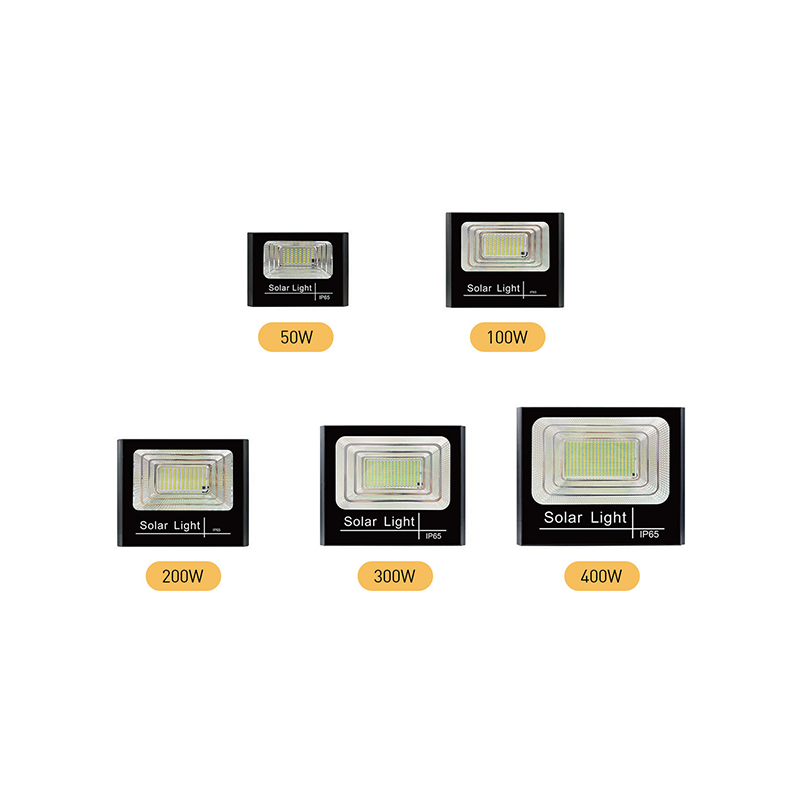
Figure 1: High-stability mounting configuration utilizing rigid physical polycarbonate alignment clips to maintain linear tension.
Instead, modern installation standards rely on high-grade, UV-stabilized polycarbonate holiday light clips designed for specific structural substrates. These non-invasive mounting clips clasp the bulb base or rope sheath securely while gripping the gutter lip or roof shingle via spring-tension compression. This ensures perfectly uniform bulb alignment and clean sightlines across the entire facade, while allowing for rapid, tool-free extraction at the end of the winter season without damaging the property's exterior trim or moisture barriers.
- Gutter Mount Profiles: Universal compression clips hook onto the outer vertical lip without penetrating or deforming the metal gutter wall.
- Shingle Edge Mount Profiles: Flat-plate slide runners wedge firmly between overlapping asphalt layers, using gravity and friction to hold light strings taut.
- Brick and Masonry Baselines: Removable mechanical expansion clips anchor into outer mortar joints, completely eliminating the need to drill into faces of historic brick.
- Adhesive Backed Channeling: Utilizes industrial-grade acrylic foam tapes to attach solid PVC track profiles directly to flat metal or glass facades.
Comprehensive Technical Frequently Asked Questions
Q1: How do you determine the maximum safe continuous current load on a standard 20-amp, 120V outdoor utility circuit?
To maintain safety compliance, electrical circuits must not be loaded past 80 percent of their maximum rated capacity for continuous use (defined as loads lasting 3 hours or more). For a standard 20-amp circuit at 120V, the absolute maximum power envelope is 2400 watts. Applying the 80 percent continuous load factor limits the safe working threshold to 1920 watts. When deploying low-power LED strings drawing an average of 4.8 watts per line, you can safely link up to 40 complete setups together onto a single circuit breaker line without risking overcurrent trips.
Q2: What specific electrical failure mechanisms occur when mixing different LED color temperatures along a single bus line?
Mixing diodes with different color temperatures along a single, un-regulated series line can cause uneven voltage drops due to variances in the internal semiconductor chemical compositions. Gallium nitride-based blue and cool white diodes require higher forward operating voltages (typically 3.2V to 3.6V) than gallium phosphide-based red and yellow diodes (typically 1.8V to 2.2V). If the string lacks localized current-limiting resistors for each section, this electrical imbalance will overdrive certain sections, leading to localized thermal runaway, accelerated lumen degradation, and premature dark spots.
Q3: Why are solid core extruded LED rope lights superior to hollow tube alternatives for sub-zero outdoor use?
Hollow tube rope light arrays enclose an internal air gap that is highly susceptible to atmospheric condensation cycles. When the system shifts between active heating states and passive freezing cycles, moisture in the air condenses on the internal walls. This trapped water cannot evaporate out of the sealed tube, leading to rapid corrosion of the copper traces and pin connection failures. Solid core extruded rope arrays completely fill this internal volume with solid, specialized PVC resin, eliminating all internal air space and ensuring absolute protection against internal moisture accumulation.
Q4: What parameters dictate whether an installation should utilize C7 versus C9 bulbs for roof outlines?
The decision depends entirely on the distance from the installation to the primary viewing area and the overall height of the building. C7 bulbs use a smaller E12 base and sit closer together, making them ideal for single-story structures or residential properties where onlookers are within 50 feet of the display. C9 bulbs use a larger E17 base and produce a wider beam angle, making them necessary for commercial rooflines, structures over two stories tall, or any installation where the primary sightlines are located more than 50 to 200 feet away from the building envelope.
Q5: How do ingress protection ratings like IP44, IP65, and IP67 impact product survival during heavy winter ice storms?
IP ratings define a product's resistance to solid objects and liquids. IP44 equipment is only protected against basic water splashing, leaving it vulnerable to failure under heavy snow accumulation or ice melting cycles. IP65 components feature dust-tight enclosures and full protection against low-pressure water streams, making them well-suited for general exposed outdoor installations. IP67 systems provide complete protection against temporary submersion in water, ensuring reliable operation even when buried under heavy snowpacks or subjected to direct ice encasement during severe winter storms.
 GET IN TOUCH


