


 English
 Español
 Deutsch
We sincerely look forward to establishing a long-term development partnership with you with good quality and professional services.
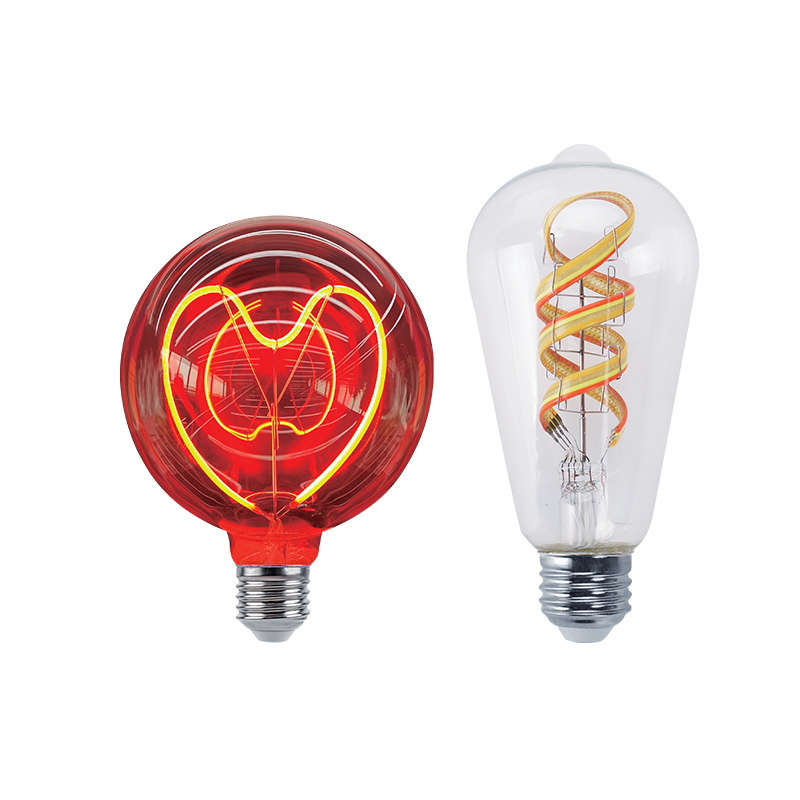
The LED filament bulb (vintage edison & decorative) has become a popular choice for modern and classic lighting applications, combining energy efficiency with a nostalgic design. Within this category, two primary designs dominate the market: clear and frosted bulbs.
Overview of LED filament bulb (vintage edison & decorative) designs
The LED filament bulb (vintage edison & decorative) replicates the appearance of traditional incandescent Edison bulbs while utilizing modern LED technology for energy efficiency and longevity. These bulbs feature visible filaments that provide a warm, decorative glow. The design can significantly impact light quality, distribution, and visual appeal. The two main variations—clear and frosted—offer distinct advantages depending on the desired lighting environment and aesthetic goal.
Clear LED filament bulbs (vintage edison & decorative) are fully transparent, allowing the filament to be prominently visible. This creates a bright and defined glow, emphasizing the filament’s design. Frosted LED filament bulbs (vintage edison & decorative), on the other hand, have a diffuse surface coating that softens the emitted light, producing a more even and gentle illumination.
Visual differences between clear and frosted bulbs
The most apparent difference between clear and frosted LED filament bulbs (vintage edison & decorative) lies in their appearance and the visual effect of the filament:
- Clear bulbs: These bulbs expose the filament fully, highlighting its intricate structure and creating a decorative effect reminiscent of vintage lighting. The filament appears as a defined element in the bulb, often used in fixtures where the bulb is a focal point.
- Frosted bulbs: Frosted bulbs conceal the filament partially or entirely behind a translucent coating. The coating disperses light uniformly, reducing glare and harsh shadows, which is particularly useful in functional lighting applications where soft illumination is preferred.
The choice between clear and frosted designs is often dictated by whether the bulb serves a decorative purpose or a practical lighting function.
Light quality and distribution
A key consideration when choosing between clear and frosted LED filament bulbs (vintage edison & decorative) is the impact on light quality and distribution:
- Clear bulbs provide a sharper, more concentrated glow. This design produces subtle shadows and highlights, which can enhance the aesthetic appeal in open or exposed fixtures such as pendant lights and chandeliers. The light can be somewhat directional depending on the filament layout.
- Frosted bulbs emit diffused light, reducing the intensity of direct light and minimizing eye strain. The even illumination makes frosted bulbs suitable for ambient lighting in living rooms, bedrooms, and offices, where a softer, consistent glow is desirable.
Understanding how light interacts with the bulb surface allows buyers to select the most appropriate design for their specific applications.
Energy efficiency and performance
Both clear and frosted LED filament bulbs (vintage edison & decorative) offer significant energy savings compared to traditional incandescent bulbs. The difference in energy consumption between the two types is generally minimal; however, certain performance factors should be considered:
- Clear bulbs can appear brighter due to the concentrated emission of light, which may reduce the need for higher wattage in certain applications.
- Frosted bulbs may diffuse light slightly, requiring careful placement to achieve the same perceived brightness in larger spaces.
Additionally, the longevity of LED filaments is largely unaffected by the clear or frosted coating. High-quality LED filament bulbs (vintage edison & decorative) maintain consistent performance over time, regardless of the design choice.
Aesthetic and design considerations
The choice between clear and frosted LED filament bulbs (vintage edison & decorative) often comes down to visual aesthetics:
- Clear bulbs are ideal for decorative fixtures where the bulb itself contributes to the interior design. The visible filament offers a vintage look, enhancing the ambiance in restaurants, cafes, bars, and modern residential spaces.
- Frosted bulbs are preferred when the focus is on the quality of illumination rather than the filament’s appearance. These bulbs integrate seamlessly into fixtures where subtle, diffused light is desired, supporting contemporary and minimalist designs.
Interior designers and buyers must evaluate how the bulb interacts with the fixture, space layout, and the intended atmosphere before selecting a design.
Applications in residential and commercial spaces
Different lighting applications benefit from either clear or frosted LED filament bulbs (vintage edison & decorative):
- Residential spaces: Clear bulbs are often used in living rooms, dining areas, and kitchens with exposed bulb fixtures to create a warm, inviting atmosphere. Frosted bulbs are suitable for bedrooms, hallways, and study areas, where soft lighting improves comfort and reduces glare.
- Commercial spaces: In restaurants, cafes, and boutique retail environments, clear bulbs are employed to enhance visual appeal and accentuate décor. Frosted bulbs provide ambient lighting in offices, conference rooms, and hotels, where consistent illumination improves visibility and comfort.
Choosing the appropriate bulb type enhances both functionality and visual harmony within a space.
Compatibility with dimming and smart controls
Many LED filament bulbs (vintage edison & decorative) are designed to support dimming and smart home integration. While both clear and frosted bulbs can function with dimmable circuits, the perceived effect differs:
- Clear bulbs produce noticeable changes in filament intensity when dimmed, enhancing visual appeal and offering precise control over ambiance.
- Frosted bulbs deliver smoother dimming transitions, ideal for creating gradual lighting adjustments in living or work environments.
Buyers and facility managers should consider compatibility with existing dimming or smart lighting systems when selecting between clear and frosted designs.
Maintenance and longevity considerations
Maintenance requirements for clear and frosted LED filament bulbs (vintage edison & decorative) are generally low compared to traditional bulbs. However, surface characteristics influence cleaning and upkeep:
- Clear bulbs require regular dusting and careful cleaning to maintain filament visibility and aesthetic appeal. Fingerprints or smudges can diminish their decorative effect.
- Frosted bulbs are less sensitive to minor surface blemishes due to their diffuse coating, which can conceal dust and scratches. This makes them suitable for areas that are harder to reach or require less frequent cleaning.
Understanding these practical aspects can help buyers plan for long-term usability and presentation quality.
Table: Summary of differences between clear and frosted LED filament bulbs
| Feature | Clear LED Filament Bulb (Vintage Edison & Decorative) | Frosted LED Filament Bulb (Vintage Edison & Decorative) |
|---|---|---|
| Appearance | Transparent, visible filament | Translucent coating, filament partially concealed |
| Light Quality | Sharp, defined glow | Soft, diffused glow |
| Visual Effect | Decorative focus, vintage aesthetic | Ambient focus, uniform illumination |
| Applications | Pendant lights, chandeliers, exposed fixtures | Bedrooms, hallways, offices, general ambient lighting |
| Dimming Effect | Noticeable changes in filament intensity | Smooth, gradual dimming |
| Maintenance | Needs careful cleaning to maintain aesthetics | Less sensitive to dust and fingerprints |
Buyer considerations
When selecting between clear and frosted LED filament bulbs (vintage edison & decorative), buyers should consider several factors:
- Purpose of lighting: Determine whether the bulb will serve a decorative or functional purpose.
- Fixture design: Evaluate whether the bulb will be exposed or enclosed, which influences visibility and light distribution.
- Ambient requirements: Consider the desired brightness, warmth, and distribution for the intended space.
- Integration with smart systems: Ensure compatibility with dimmers or smart controls if required.
- Maintenance and longevity: Factor in ease of cleaning and expected lifespan.
Understanding these elements ensures that the selected bulb meets both aesthetic and practical needs.
Industry perspective
The market for LED filament bulbs (vintage edison & decorative) continues to grow due to increasing demand for energy-efficient, design-oriented lighting solutions. Both clear and frosted designs occupy distinct niches:
- Clear bulbs appeal to customers prioritizing style and visual statement.
- Frosted bulbs attract buyers focused on functional lighting and consistent illumination.
Manufacturers must provide clear guidance regarding the performance, application, and benefits of each design type to support informed purchasing decisions. Industry standards and quality certifications also play a critical role in maintaining buyer confidence and market competitiveness.
Conclusion
Clear and frosted LED filament bulbs (vintage edison & decorative) each offer unique benefits, catering to different lighting requirements and aesthetic preferences. Clear bulbs emphasize decorative appeal and filament visibility, creating a vintage ambiance ideal for exposed fixtures. Frosted bulbs prioritize uniform, diffused illumination, reducing glare and enhancing functional lighting in residential and commercial environments.
By understanding the differences in appearance, light quality, applications, and maintenance requirements, buyers, designers, and facility managers can make informed decisions that balance style, performance, and efficiency. Selecting the right design ensures that the LED filament bulb (vintage edison & decorative) meets the intended purpose while enhancing both visual and functional aspects of the space.
 GET IN TOUCH


