


 English
 Español
 Deutsch
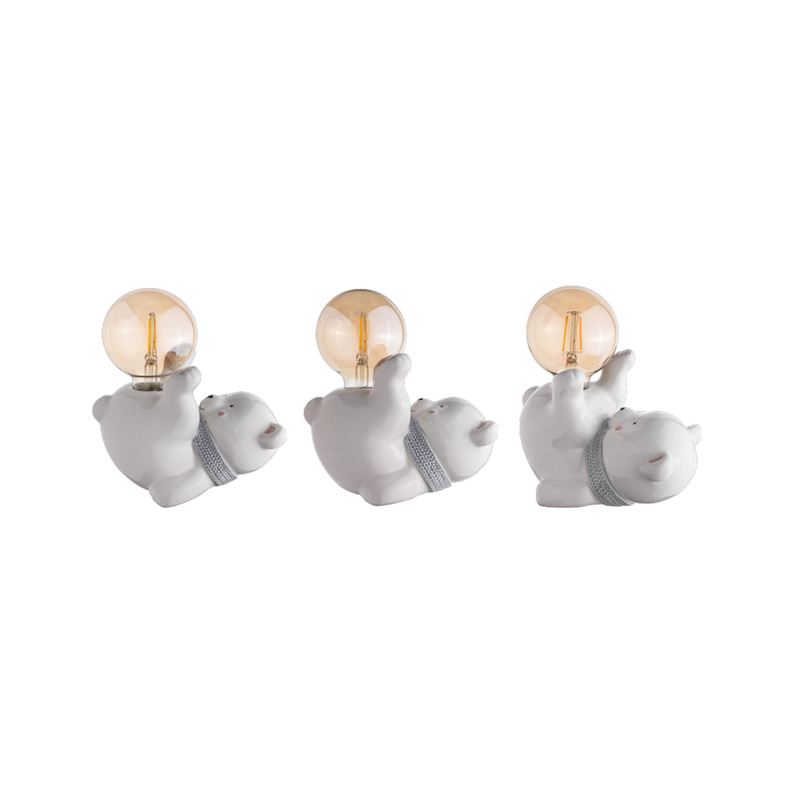
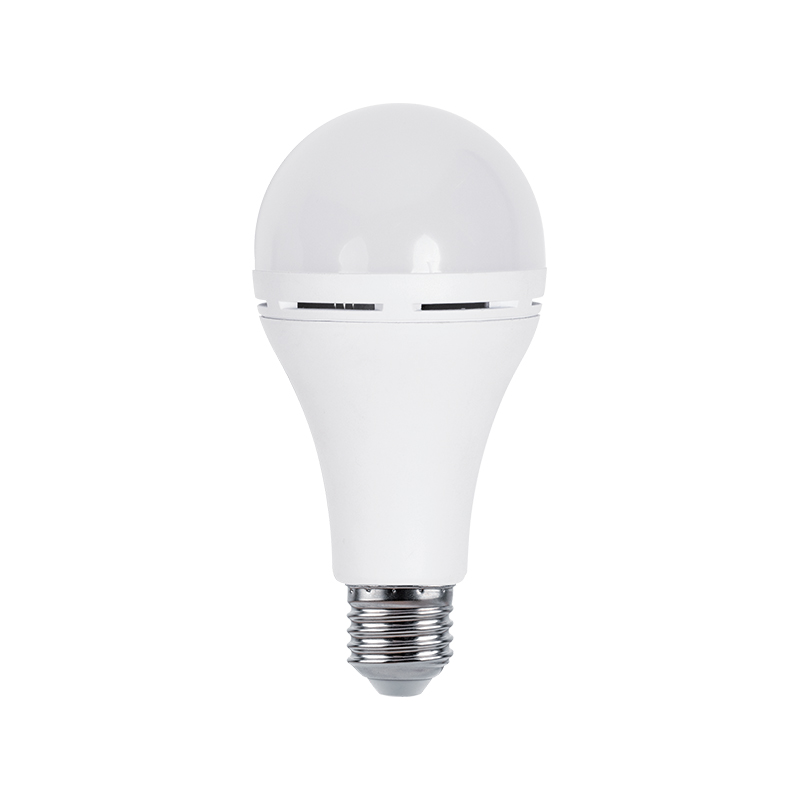
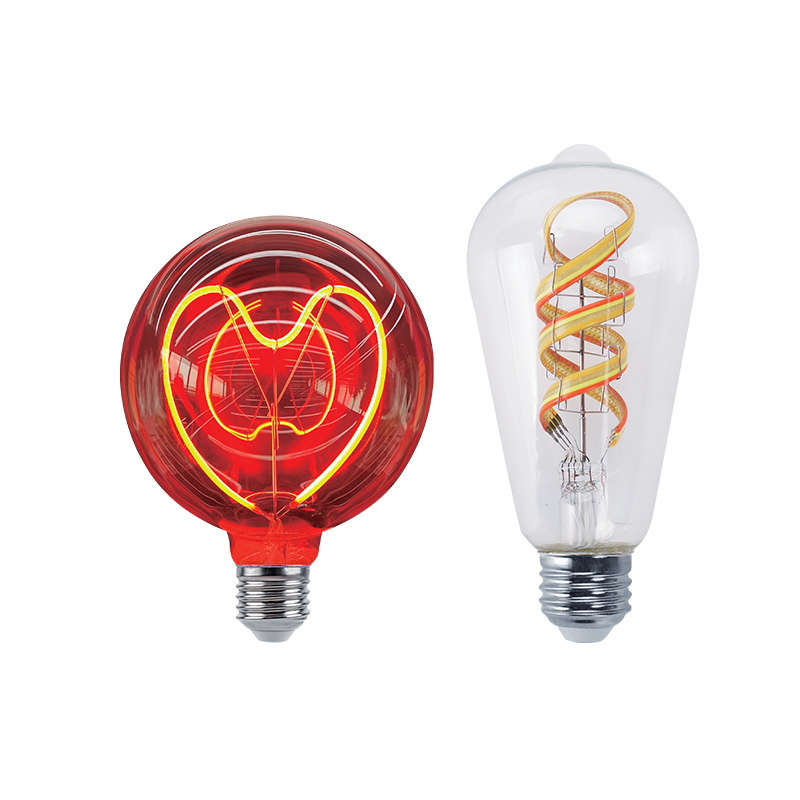
We sincerely look forward to establishing a long-term development partnership with you with good quality and professional services.
When selecting a decorate table lamp base (glass integrated lime), one of the most crucial considerations is choosing the right type of light bulb. The compatibility between the lamp base and the bulb affects not only the lighting performance but also the safety, efficiency, and longevity of the lamp.
Understanding decorate table lamp base (glass integrated lime)
The decorate table lamp base (glass integrated lime) is designed with an integrated glass structure, often featuring a lime-colored aesthetic. Its design emphasizes both durability and elegance, making it suitable for residential, hospitality, and office settings. The integration of glass with lime material ensures a stable base that can support a range of light bulb types, while also offering aesthetic versatility for modern interior decor.
The glass integration in these lamp bases ensures that heat dissipation is managed effectively, allowing the use of energy-efficient bulbs without compromising safety. Buyers in interior design, home furnishing, and lighting supply sectors frequently seek lamp bases that combine style and functional compatibility with multiple bulb types.
Key considerations for bulb compatibility
When selecting a bulb for decorate table lamp base (glass integrated lime), several critical factors should be considered:
1. Socket type: Most decorate table lamp base (glass integrated lime) designs are built to accommodate standard socket sizes, such as E26 or E27. Ensuring the correct socket type is essential for both safety and functionality. Using a bulb with the wrong socket type may lead to improper installation or electrical hazards.
2. Wattage limitations: The maximum wattage rating of a decorate table lamp base (glass integrated lime) determines which bulbs can be safely used. Exceeding the recommended wattage can generate excessive heat, potentially damaging the glass structure or lime finish.
3. Bulb shape and size: The lamp base design influences the type of bulb shape that can be used. For instance, larger decorative bulbs or globe-style bulbs may complement the lamp aesthetically but may require careful consideration of dimensions to prevent obstruction of light or uneven distribution.
4. Heat output: Glass-integrated lime lamp bases are generally durable, but excessive heat from high-wattage bulbs can cause discoloration or structural stress over time. LED and CFL bulbs are typically preferred for their low heat emission and energy efficiency.
5. Lighting purpose: The choice of bulb also depends on the intended use of the decorate table lamp base (glass integrated lime). For task lighting, higher lumen bulbs may be ideal, whereas for ambient or decorative lighting, softer light bulbs with warmer color temperatures are often more suitable.
Types of compatible light bulbs
1. LED bulbs
LED bulbs are widely regarded as the most compatible option for decorate table lamp base (glass integrated lime) due to their energy efficiency, longevity, and low heat output. They are available in a variety of shapes and color temperatures, allowing buyers to customize the lighting effect to suit residential, commercial, or hospitality environments.
Advantages of LED bulbs include:
- Extended lifespan, reducing the frequency of replacement
- Low heat generation, protecting the glass and lime material
- Availability in dimmable and non-dimmable variants
- Options for warm, neutral, or cool lighting tones
LED bulbs are particularly suitable for buyers seeking sustainable lighting solutions or looking to integrate smart home features without compromising the structural integrity of the lamp base.
2. Compact fluorescent lamps (CFLs)
CFL bulbs offer a cost-effective energy-efficient alternative to incandescent bulbs and are compatible with many decorate table lamp base (glass integrated lime) models. CFLs emit moderate heat and provide good illumination for general lighting purposes.
Key considerations for CFL use include:
- Avoiding frequent switching, as it may reduce bulb lifespan
- Selecting the appropriate wattage to match the lamp’s safety rating
- Choosing bulbs with high color rendering index (CRI) for accurate color representation
CFLs are often preferred by buyers looking for affordable yet environmentally conscious lighting options in both residential and office settings.
3. Halogen bulbs
Halogen bulbs are known for their bright, crisp light and are compatible with certain decorate table lamp base (glass integrated lime) models, provided the wattage is within the recommended limit. Halogen bulbs are smaller in size compared to traditional incandescent bulbs but can generate more heat.
When using halogen bulbs:
- Ensure the lamp base has proper heat resistance
- Avoid prolonged operation in enclosed spaces without ventilation
- Consider halogen’s higher energy consumption compared to LED or CFL alternatives
Halogen bulbs are suitable for buyers prioritizing high-quality task lighting or accent lighting in decorative applications.
4. Incandescent bulbs
Traditional incandescent bulbs can be used in some decorate table lamp base (glass integrated lime) designs, though they are generally less preferred due to higher energy consumption and heat output.
If incandescent bulbs are chosen:
- Select low-wattage options to prevent overheating
- Consider the bulb shape for compatibility with lamp design
- Use in well-ventilated spaces to avoid heat accumulation
Buyers focusing on classic aesthetic lighting may choose incandescent bulbs for their warm and natural glow.
Evaluating color temperature and lighting effect
The type of bulb selected for decorate table lamp base (glass integrated lime) directly impacts the color temperature, measured in Kelvin (K). Choosing the right color temperature enhances both the visual appeal and functional use of the lamp:
- Warm white (2700K–3000K): Creates a cozy and inviting atmosphere, ideal for living rooms and bedrooms.
- Neutral white (3500K–4100K): Offers balanced illumination for offices and task lighting.
- Cool white (5000K–6500K): Provides bright, energizing light suitable for workspaces or display areas.
By matching the color temperature to the intended space, buyers can optimize the lighting ambiance while maintaining compatibility with the lamp’s structural and thermal design.
Industry best practices for buyers and manufacturers
For buyers:
When purchasing a decorate table lamp base (glass integrated lime), it is important to:
- Verify the socket type and wattage rating before selecting bulbs
- Consider energy-efficient options like LED or CFL bulbs to reduce operational costs
- Choose bulbs with appropriate color temperature for the intended environment
- Inspect the lamp for any heat-sensitive materials that may influence bulb selection
For manufacturers:
Ensuring bulb compatibility involves:
- Designing lamp bases with standardized sockets (E26/E27)
- Providing clear documentation on maximum wattage and recommended bulb types
- Conducting thermal tests to ensure the glass and lime material can handle bulb heat output
- Offering guidance to distributors and buyers on optimal lighting solutions for residential and commercial use
Maintenance and replacement considerations
Regular maintenance is essential to ensure the long-term performance of decorate table lamp base (glass integrated lime). Key maintenance tips include:
- Replacing bulbs promptly when they burn out to avoid stress on the lamp base
- Cleaning the glass and lime finish with soft, non-abrasive cloths to prevent scratches
- Avoiding bulbs with excessive heat output that may degrade the lamp over time
- Using compatible bulbs as recommended to maintain electrical safety and structural integrity
Adhering to these practices enhances both the aesthetic and functional value of the lamp, particularly in high-use settings such as hotels, offices, or retail spaces.
Conclusion
Selecting the right light bulb for decorate table lamp base (glass integrated lime) is a critical decision that affects safety, efficiency, and aesthetics. LED bulbs are generally the most versatile and energy-efficient choice, while CFL, halogen, and incandescent options may be suitable depending on the specific application.
By considering factors such as socket type, wattage, bulb shape, heat output, and lighting purpose, buyers can make informed decisions that ensure optimal performance. For manufacturers, providing clear guidance on compatible bulbs helps maintain customer satisfaction and enhances the marketability of the lamp base.
Ultimately, understanding the technical requirements and industry best practices for decorate table lamp base (glass integrated lime) ensures that lighting solutions are both functional and visually appealing, meeting the demands of modern interior design and professional lighting applications.
 GET IN TOUCH


