


 English
 Español
 Deutsch
We sincerely look forward to establishing a long-term development partnership with you with good quality and professional services.
Understanding What Actually Defines a Genuine Vintage Look
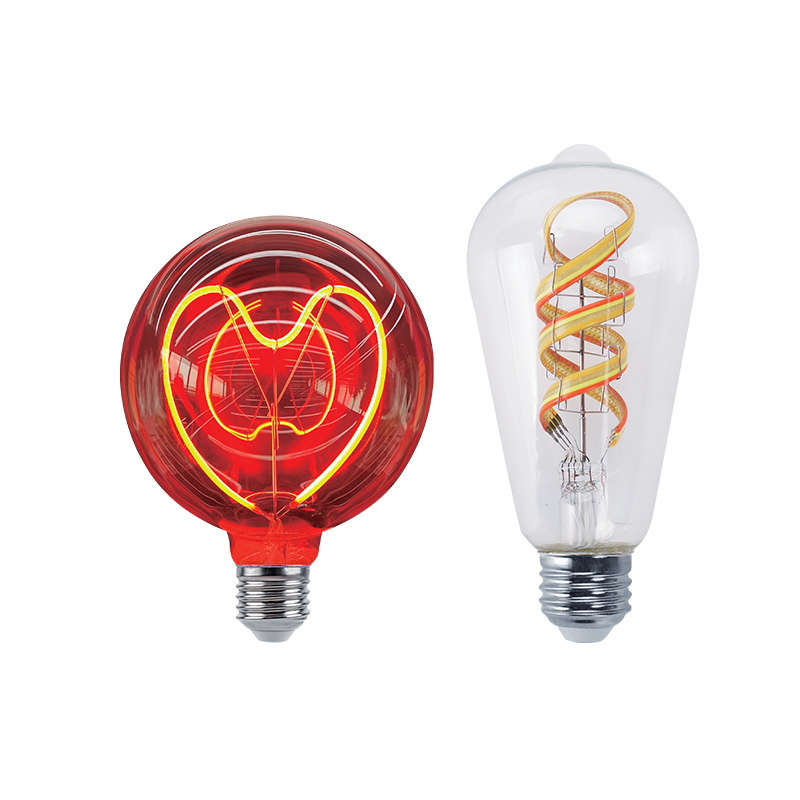
A convincing vintage lighting scheme is rarely about a single design element. It is the combination of visible internal structure, a warm-toned glass envelope, and a glow that mimics the gentle falloff of an old incandescent source. Modern led filament bulbs are built specifically to reproduce this combination using slim diode strips arranged to imitate the look of heated tungsten wire, without the heat output or short service life of true incandescent technology.
The distinction matters because many buyers assume any warm-colored LED will read as antique. In practice, three separate variables have to line up at once: the visible filament pattern inside the glass, the color temperature of the emitted light, and the physical shape of the glass itself. Get one wrong and the fixture looks like a generic LED wearing a costume rather than a genuinely period-appropriate light source.
2700K Typical color temperature for vintage warmth
15,000+ Rated hours for most filament LED models
80-90 Typical CRI range for accurate warm rendering
Why Color Temperature Is the Foundation of Vintage Ambiance
Color temperature, measured on the Kelvin scale, is the single variable that has the largest effect on whether a room reads as warm and inviting or clinical and flat. Vintage-style fixtures rely almost entirely on the lower end of that scale, where light shifts from neutral white toward amber. 2700k led light bulbs sit at the point where most viewers associate the glow with old filament lamps, gas lighting, and early residential electric fixtures.
| Color Temperature | Visual Character | Best Suited Rooms |
|---|---|---|
| 2200K | Deep amber, candle-like | Accent lighting, wall sconces |
| 2400K | Warm amber with soft glow | Reading nooks, bedroom lamps |
| 2700K | Classic warm white | Dining rooms, living rooms |
| 3000K | Slightly cooler warm tone | Kitchens, entryways |
Anything above 3000K begins to lose the antique quality entirely, since the light shifts toward the neutral and cool ranges typically associated with office or task lighting. When a fixture is meant to evoke retro vintage light bulbs, staying within the 2200K to 2700K band is the most reliable way to preserve that historical warmth.
Comparing Decorative Glass Shapes and Their Visual Effect
Glass shape is the second pillar of an authentic look, and it is often the most visually obvious. Each shape code originates from historical lamp manufacturing conventions and carries its own silhouette, exposure of the internal filament, and typical application.
| Shape Code | Profile | Typical Use |
|---|---|---|
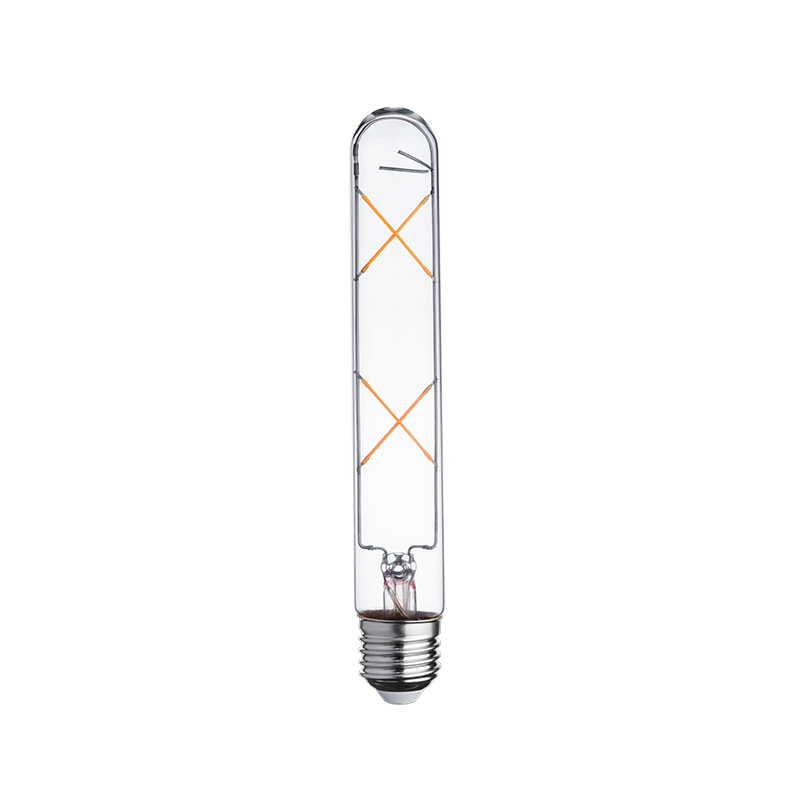
| ST64 | Elongated teardrop | Exposed pendant fixtures |
| G80 | Round globe, medium | Bathroom vanity strips |
| G95 | Round globe, large | Statement chandeliers |
| A60 | Standard household | General purpose fixtures |
| T45 | Slim tube | Wall sconces, cage fixtures |
Rounder, larger profiles such as G80 and G95 fall under the broader category of decorative light globes, and they tend to work best where the fixture itself is exposed and meant to be looked at directly, rather than concealed behind a shade. Slimmer shapes like ST64 and T45 suit fixtures where the bulb is a smaller visual accent within a larger design, such as a caged wall sconce or a multi-bulb chandelier.
How Filament Design Shapes Light Distribution
The internal layout of the diode filament determines how evenly light spreads around the glass envelope. A single straight filament produces a directional beam with visible hot spots, while multiple filaments arranged in a radial or cage pattern distribute light more evenly across 360 degrees, closely mimicking the omnidirectional glow of a heated tungsten coil.
For fixtures where the bulb itself is on display, such as an open pendant socket, a multi-filament layout generally produces a more balanced and flattering glow. Single-filament designs remain useful in fixtures with a shade or diffuser, where the internal spread of light matters less than the overall silhouette visible through the glass.
Dimmable Aesthetic Bulbs and Adjustable Ambiance
Dimmable aesthetic bulbs extend the vintage effect further by allowing the color to shift subtly warmer as brightness decreases, a behavior historically associated with incandescent filaments losing heat. Not all filament LEDs replicate this warm-dim curve, so it is worth checking the specification before pairing a bulb with a dimmer switch.
A fixture dimmed from full output down to twenty percent should still look like a light source cooling down naturally, not simply getting dimmer at the same fixed color temperature.
- Confirm the dimmer switch is rated for LED loads, since older incandescent-only dimmers can cause flickering
- Check the minimum dimming percentage listed by the bulb, typically between one and twenty percent
- Match wattage load to the dimmer's minimum rated capacity to avoid instability at low output
- Group bulbs of the same production batch on a single circuit to minimize visible color mismatch
Creating Dining Room Lighting Ambiance with Filament Bulbs
Dining spaces benefit disproportionately from filament-style lighting because the fixture is usually positioned low and close to the seated eyeline, making the visible internal structure part of the room's decor rather than a purely functional detail. A dining room lighting ambiance built around exposed filament bulbs typically layers two elements: a central pendant or chandelier as the visual anchor, and secondary wall or buffet lighting kept slightly dimmer to avoid competing for attention.
- Select a central fixture with visible bulbs rather than fully enclosed shades
- Keep the central fixture around 2700K for a cohesive warm tone across the table
- Set secondary lighting one step warmer or one step dimmer to create depth
- Use dimmable aesthetic bulbs throughout so brightness can shift between daytime and evening use
Installation Compatibility and Fixture Considerations
Base type compatibility is often overlooked until a bulb arrives and does not fit. Standard household sockets typically use E26 or E27 bases, while smaller decorative fixtures and candelabra-style sconces commonly use E12. Enclosed fixtures also deserve attention, since some filament LED designs are rated only for open-air use and can experience reduced lifespan if installed inside a fully sealed glass shade without ventilation.
| Base Type | Common Fixture | Notes |
|---|---|---|
| E26 / E27 | Standard pendant or lamp | Most widely compatible |
| E12 | Candelabra sconce | Requires smaller bulb profile |
| GU10 | Track or spot fixture | Less common for filament styles |
Maintenance, Lifespan, and Efficiency Comparison
One of the practical advantages of filament LED technology is the combination of decorative appearance with meaningfully lower running costs than the incandescent designs it visually references. The table below outlines general category comparisons.
| Light Source | Average Lifespan | Typical Wattage for Similar Output |
|---|---|---|
| Incandescent | 1,000 hours | 60 watts |
| Standard LED | 25,000 hours | 8 to 9 watts |
| Filament LED | 15,000 to 25,000 hours | 6 to 7 watts |
Because antique style light bulbs built on LED filament technology run cooler than incandescent equivalents, they also place less thermal stress on enclosed or vintage-style fixtures, which can extend the working life of the fixture itself, not just the bulb.
Frequently Asked Questions
Q1: Do LED filament bulbs actually get warm to the touch?
They generate some heat at the base near the driver components, but significantly less than incandescent equivalents, making them safer for fixtures positioned close to fabric or paper shades.
Q2: Can 2700K bulbs be mixed with cooler LED bulbs in the same room?
Mixing color temperatures in the same sightline usually creates a visible mismatch. It is generally better to keep one color temperature per room or per zone within an open floor plan.
Q3: Are filament LED bulbs suitable for outdoor fixtures?
Only if the specific model is rated for outdoor or damp locations. Indoor-rated filament bulbs installed outdoors can experience accelerated failure from moisture exposure.
Q4: Why do some filament bulbs flicker when dimmed?
Flickering at low brightness usually indicates a mismatch between the dimmer switch type and the bulb's minimum load rating, rather than a defect in the bulb itself.
Q5: How many lumens should a dining room fixture provide?
Dining spaces generally look best in a range that avoids overly bright, clinical lighting, with dimmable options allowing adjustment between daytime and evening use.
 GET IN TOUCH


